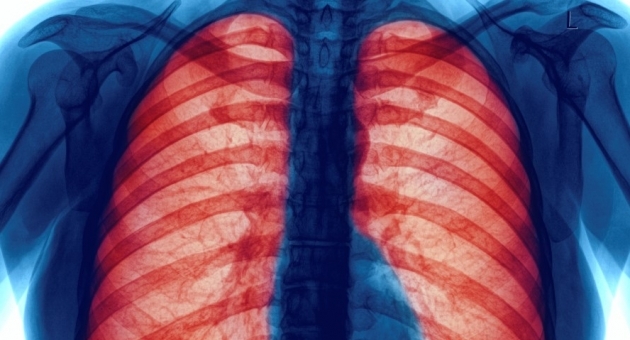
In the quest to breathe virus-free air, people have been investing in air purifiers that claim to clean the air through an intricate process. These technological wonders have found their way into homes, hospitals, and business establishments. Dr. Lisa M. Cannon shares in this blog post a few facts about air purifiers.
 |
Image source: goodhousekeeping.com |
 |
Image source: popularmechanics.com |
When choosing an air purifier, some considerations are the flow rate, location, and duration of use in a particular place. Generally, laboratory conditions are more contained; thus, the guarantee of an air purifier being 99% effective may not be true in some cases. Ventilation affects an air purifier's efficacy as different particles could be sitting on surfaces longer when windows are closed, or new particles are let in when windows are opened.
The ideal kind of air purifier would have to be one that has a HEPA or high-efficiency particulate air filter. This type of air purifier can combat environmental air qualities found in homes near smoky or dusty areas, notes Dr. Lisa M. Cannon. However, there is little medical evidence that air purifiers can alleviate allergies or address respiratory issues as a result of the fact that it is a challenge to differentiate the outcomes of genetic and environmental factors from the results of known air quality pollutants.
Dr. Lisa M. Cannon is a board-certified physician who specializes in pulmonary disease, internal medicine, and critical care. She completed her Master’s in Public Health from NYU Wagner School of Public Service. Head over to this page for similar updates.
The ideal kind of air purifier would have to be one that has a HEPA or high-efficiency particulate air filter. This type of air purifier can combat environmental air qualities found in homes near smoky or dusty areas, notes Dr. Lisa M. Cannon. However, there is little medical evidence that air purifiers can alleviate allergies or address respiratory issues as a result of the fact that it is a challenge to differentiate the outcomes of genetic and environmental factors from the results of known air quality pollutants.
Dr. Lisa M. Cannon is a board-certified physician who specializes in pulmonary disease, internal medicine, and critical care. She completed her Master’s in Public Health from NYU Wagner School of Public Service. Head over to this page for similar updates.