Monday, January 18, 2016

Pneumonia During Pregnancy:

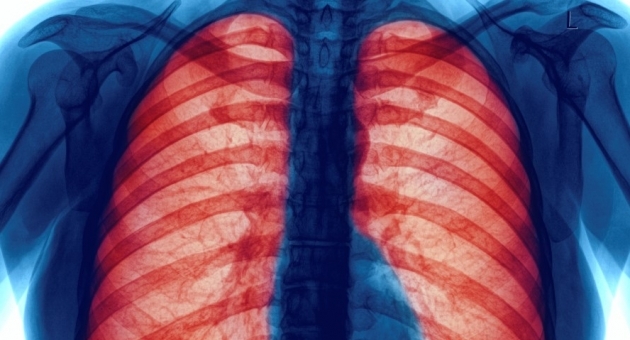
Pneumonia is a medical condition where bacteria infect the lungs. This causes difficulty in breathing, and in some cases, severe chills, fever, and headaches. Pneumonia is a serious condition and medical professionals recommend immediate intervention once initial symptoms appear.

The disease takes a more critical turn when it is contracted by a pregnant woman. Medical research has shown that pneumonia during pregnancy increases the risk for preterm birth and low birth weight of the baby.

Image Source: wisegeek.com
Pneumonia can spread in a variety of ways; though the most common manner of transmission is through airborne pathogens emitted by coughing or sneezing. The disease could also be transmitted through blood – especially during or shortly after giving birth.

Women who already have existing conditions such as anemia or asthma are at an increased risk of developing pneumonia in pregnancy. Thankfully, advancements in medical technology have improved the efficacy of antibiotics to dramatically decrease maternal mortality rate. Still, women with histories of respiratory disease are advised to speak with their OB-GYNE and internist for a thorough assessment of physical condition or readiness for pregnancy. Pregnant women should also closely work with their physicians for the duration of their pregnancy.

Image Soruce: momjunction.com
Pregnant mothers with pneumonia are informed of the high potential for fetal complications borne by their condition. Infants could be born premature and could eventually have developmental problems. In more severe cases, intrauterine and neonatal death may occur. Pregnant women with pneumonia also have to take a compulsory test for HIV, as the fetus could bear the brunt of maternal conditions arising from other grave diseases.

Dr. Lisa Marie Cannon specializes in internal pulmonary medicine. Follow this Twitter account for more information.

Tuesday, December 29, 2015

A New Breath Of Life: Latest Management Techniques For Copd Patients

Image source: hmri.org.au
COPD, or chronic obstructive pulmonary disease, is a progressive inflammatory lung disease that causes obstructed airflow from the lungs. Its symptoms include breathing difficulty, cough, sputum production, and wheezing. Cigarette smoking is its leading cause. Long-term exposure to lung irritants such as air pollutions, chemical fumes, and even dust can also cause COPD. The disease affects more around 24 million Americans and is the third leading cause of death in the country.

Because COPD has no known cure yet, lifestyle changes are recommended to manage the disease. Below are three of the latest management techniques that people with COPD are embracing to cope with their illness:

Digital technologies. Advancements in technology have made it possible for a growing number of companies to offer digital health solutions for COPD management. Most of today’s health technologies, including mobile apps, spot warning signs earlier to reduce costly emergency care. An example is the COPD Navigator, an iOS mobile health app developed by LifeMap Solutions and Mount Sinai – the National Jewish Health Respiratory Institute that helps patients achieve effective self-management of their disease. The app tracks data including symptoms, medication, treatment adherence, and quality of life. Healthcare professionals meanwhile can also use the app to achieve COPD quality-of-care goals. An example would be physicians using the app to send health alerts and reminders to patients.

Image source: webmd.com 
Mobile devices. COPD patients who experience difficulty in breathing require a constant supply of oxygen. However, this usually means carting heavy cylinders of oxygen behind them. But with the development of portable oxygen devices, patients can carry and “wear” such gadgets without lugging heavy tanks. The lightweight devices also enable patients to go about their daily routine with fewer disruptions.

Chinese exercises. A recent study revealed that COPD patients may benefit from traditional Chinese exercises known as liuzijue qigong (LQG), which consist of traditional Chinese breathing and meditative movements. COPD patients who participated in an LQG program for six months showed marked improvements in their lung function, mental health, and overall well-being after their stint.

Subscribe to this Dr. Lisa Marie Cannon blog for other articles on COPD.

Wednesday, December 16, 2015

Climate Change: A Fuel for Allergens

For most people, daffodils and flowers blooming mark the end of winter and the start of spring. But for 40 million Americans, the start of spring means endless sneezing, nasal congestion, and discomfort.

According to researchers, pollen allergies will worsen because of climate change. There are three main factors on how climate change will affect those with seasonal allergies: (1) carbon dioxide increases the growth rate of plants and pollen potency, (2) rising temperatures allow for longer “allergy season,” and (3) more flowers and fungal spores will worsen allergy symptoms.

Image source: voanews.com
Carbon dioxide is needed for plant growth, alongside water, nutrients, and light. It also produces extra nutrients for plants, that even the smallest increase will cause a bigger effect. Because of change in carbon dioxide composition, all caused by climate change, these signs will make things worse for those with asthma and allergies.

With climate change, even people who do not have pollen allergies at the moment could develop it eventually—when air quality is much worse.
Image source: thedailybeast.com
People who have grass and pollen allergies for now can avoid the upcoming sneezefest by staying away from all possible allergens. They should keep a mask at hand, and drink lots of fluid. They should also take anti-allergy medicines from time to time, too.

Dr. Lisa Marie Cannon is a specialist in internal medicine and pulmonary care. Follow this Twitter account for updates on similar topics.

Thursday, October 22, 2015

REM sleep behavior disorder: Symptoms, risk factors, and treatment

The rapid eye movement (REM) sleep phase occurs approximately 90 minutes after a person goes to sleep.  During REM sleep, the brain is very active, often resulting in vivid dreams. REM sleep is marked by rapid eye movements, irregular breathing, and temporary paralysis.  The temporary paralysis in REM sleep prevents the sleeper from acting out dreams.


Symptoms

A person with REM sleep behavior disorder (RBD) experiences loss of paralysis, which results in him or her acting out dreams.  While people without RBD rarely make any movements during REM sleep, people with the disorder perform actions they made in their dreams, such as:

• Jumping out of bed

• Kicking

• Punching

• Talking or yelling


Unlike sleepwalking, people with RBD do not have their eyes open, walk, or leave their rooms. 


Image sourceplus.google.com

When they have awakened, people with RBD remember details of the dream they were having.  However, they might not be aware that they were acting it out. 


Risk factors

Risk factors for RBD include being male, being older than 50 years of age, and having a neurodegenerative disorder. 

Recent research published in the journal Neurology also suggests that environmental factors, such as smoking, a recent head injury, pesticide exposure, are possible risk factors for RBD.

Treatment and management

Management and treatment of RBD involve injury prevention and medication. 


The patient's sleeping area must be made into a safe environment, and sharp objects and weapons must be removed.  If the patient has a bed partner and tends to become violent during sleep, his or her partner might need to sleep in another room.  Other precautions include padding the bedroom floor and reinforcing windows.

Clonazepam, a drug used to treat seizures and panic disorders, has proven to be very effective in treating RBD in 90 percent of patients.  Clonazepam needs to be taken by RBD patients indefinitely, as stopping can lead to recurrence of RBD.  It controls the symptoms but does not cure RBD.

Other drugs used to treat RBD include tricyclic antidepressants and melatonin. 

Patients who have RBD with no discernible cause can rely on management and medication to treat their symptoms for the long-term.  People who suspect that they might have RBD should consult a physician for a diagnosis and to determine whether an underlying neurological condition causes it. 

Dr. Lisa Marie Cannon is a physician who specializes in treating sleep disorders.  For related articles and news, subscribe to this blog.

Tuesday, September 29, 2015

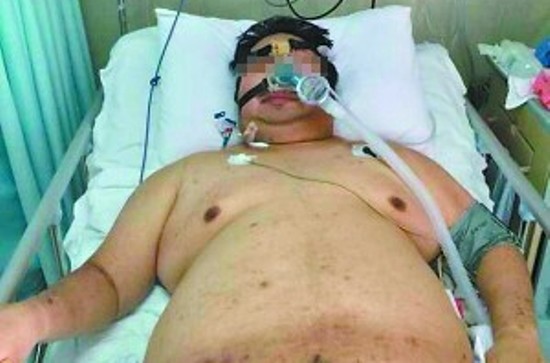
Obese Men Face Higher Risk of Pneumonia, Study Says

Obesity among men has been linked to an increased risk of pneumonia, according to a study conducted by Danish researchers. The authors, however, cautioned that the link occurs more strongly with diseases associated with obesity, rather than with obesity itself. Previous studies on the relationship between the two conditions had been plagued by inconsistent results. To gain a better understanding of the link, authors looked at data from the Danish Diet, Cancer, and Health Study, which recorded samples from nearly 50,000 Danes.

     Image Source: thenanfang.wordpress.com

Statistical analysis of the sample showed that moderately obese men (those with a Body Mass Index (BMI) between 30 and 34.9) had a 40 percent higher risk of developing pneumonia compared to those who were of normal weight (a BMI of less than 24.9). Morbidly obese men (those with a BMI greater than 35) were seen to be twice as likely to suffer from pneumonia. There was no risk difference seen in women. 

Authors of the study are unsure why there is a gender difference, but postulate that fat distribution may be a major factor. An apple shape – which is usually the shape men form when they gain weight – can reduce ventilation in the lungs. 

However, obesity was seen as a working factor for most of the comorbidities of pneumonia. For example, diabetes (which several studies conclude is related to weight) has also been associated with a 25 to 75 percent increased risk for pneumonia.

                        Image Source: jpost.com

This study was concluded in 2010 and many health professionals have asked for newer research to be conducted. With more advanced medical technologies, scientists can determine the exact relationship between obesity and pneumonia. 

As a leading pulmonologist, Dr. Lisa Mare Cannon has extensive knowledge on respiratory disorders and their associated diseases. Follow this Twitter account to learn more about her field of medicine.

Tuesday, August 25, 2015

Asthma-COPD overlap syndrome: The result of lung airway remodeling

Asthma-COPD overlap syndrome or ACOS accounts for up to a quarter of all obstructive airway diseases. Patients afflicted with it usually exhibit worse symptoms when compared to patients with asthma or chronic obstructive pulmonary disease (COPD) alone. ACOS is not well recognized because asthma and COPD have almost similar manifestations. Most patients suffering from this disease are smokers who exhibit persistent expiratory airflow obstruction despite treatment.

Asthma and COPD are widespread respiratory disorders that cost billions of dollars in healthcare-related expenses every year. Both diseases, when not properly diagnosed and treated, may escalate to worse conditions and even death.


Image source: rtmagazine.com


ACOS is characterized by a phenomenon called “remodeling.” This consists of any or a combination of the following:


  • Mucosal edema, mucus hypersecretion, and formation of mucus plugs.
  • Hypertrophy and hyperplasia of the airway smooth muscle 
  • Increased wall thickness of the respiratory tract

 Image source: intechopen.com

Awareness of ACOS is growing and approaches for how to best manage this condition are being assessed to achieve the best possible results. There is a consensus among physicians that patients with features of both asthma and COPD experience frequent exacerbations, suffer from rapid decline in lung function, have poor quality of life, have high mortality, and on rare occasions, incur chronic inflammation even outside the respiratory system.

Dr. Lisa Marie Cannon is a recognized internist, specializing in pulmonary medicine. Follow this Twitter account for more medical news and updates.

Monday, July 27, 2015

The end stage: What is stage IV COPD?

Talking about “the end” when suffering from a disease may connote both positive and negative vibes. Positive when the end means the disease has been obliterated completely and negative when it means that the condition has reached its peak, and all hope for cure is futile. How the word is perceived in terms of medical implications vary, but what does it mean in cases of COPD?

Chronic Obstructive Pulmonary Disease (COPD) is described as "inflammatory lung disease affecting the airflow from the lungs." It has four stages –mild COPD, moderate COPD, severe COPD, and very severe COPD, which is also known as the end stage.

                                                             
                                                        Image Source: Timeinc.net

Very severe COPD is the fourth stage of the disease. Respiratory failure caused by either low blood oxygen or high carbon dioxide levels and signs of heart failure exist during this stage. This is regarded as the end stage because exacerbations may occur at least three times within the year, leading to the overall health of the patient becoming highly at risk.

Because of the various complications that occur during stage IV COPD, it is said that people die "with" their disease and not from it. Researches show that COPD is not the primary cause of the death, but other medical conditions that a patient also acquires while battling COPD. Lung cancer and heart failure are the usual medical conditions that cause death, and not COPD itself.

                                                         
                                                             Image source: Temple.edu

Studies also show that the condition of COPD may still improve even after reaching the end stage with the help of bronchodilators and corticosteroids. Continuing with proper health care, quitting smoking, and avoiding lung irritants will also greatly help in dealing with the end stage.

 Dr. Lisa Marie Cannon specializes in pulmonary diseases and critical care. For more articles about pulmonary diseases, visit this blog.