Showing posts with label sleep. Show all posts

Friday, December 25, 2020

Everything you need to know to restore your sleep clock


Image source: sciencenewsforstudents.org

The circadian rhythm is described as the body’s internal process regulating the sleep-wake cycle, repeating on every rotation of the planet approximately every twenty-four hours. The body may not reach its best shape when the one’s sleep-wake cycle isn’t in its proper order. 

Rest is a weapon. Sleep quality is important in helping the body rest and recover from everything it has done during the day. Not everyone is able to sleep and wake up early for many different reasons. Dr. Lisa M. Cannon recommends banning blue light before bed in order to wind down properly. If possible, dim the lights and place devices far from the bed. Individuals who work at night may want to use blue-light blocking glasses as they head home during daytime so as to delude the mind that it’s nighttime. 

Image source: society6.com

Advanced and delayed sleep timing can ruin one’s sleep-wake cycle. Practice hitting the sack and waking up at the same time each day to improve sleeping habit. It matters to commit to the sleep-wake schedule, which means eliminating stimulants that can hinder sleep such as caffeine, alcohol, and nicotine. Avoid going to bed with a full stomach as this can overwork the digestive system which can lead to interrupted sleep.

Dr. Lisa M. Cannon mentions that skipping naps can help restore a person’s sleep clock. Naps can be tempting at any time of day, but if one makes it a goal to fall asleep fast at night, skipping the midday shuteye is the way to go.

Dr. Lisa M. Cannon is a New Jersey-based physician. Her specializations include critical care, pulmonary medicine, and sleep medicine. For more updates from Dr. Lisa M. Cannon, head over to this page.

Wednesday, October 21, 2020

How sleep can be the deciding factor on weight loss success


Individuals who set out on a weight loss journey often assume that a gym membership would do the job. Without a proper diet and enough sleep, gym-goers could be setting themselves up for defeat. Dr. Lisa M. Cannon shares on this blog how sleep can influence one’s weight loss journey. 

Image source: cdc.gov


People on the road to weight loss must acknowledge early in the game that lack of sleep is the main hindrance to their objective. Sleep loss leads to increased appetite. This is due to the body producing more ghrelin, a hormone released in the stomach signaling hunger in the brain, and less leptin, the hormone suppressing hunger and signaling fullness. Sleep deprivation changes the way one’s brain operates. Lack of sleep potentially decreases activity in the frontal lobe, the part of the brain essential for self-control and decision-making. 

Image source: helpguide.org


Individuals who get enough sleep consume fewer calories compared to those who sleep for a short period. People who exercise regularly and include weightlifting in their routine develop their muscles. Lean muscles are known to burn fat, which improves resting metabolism. Lack of sleep decreases muscle mass, which could lower one’s resting metabolic rate.

According to Dr. Lisa M. Cannon, sleep deprivation is to be blamed for daytime fatigue. Individuals who do not prioritize sleep are more likely to want to skip exercise as they could lose motivation to do anything physical. Athletic performance is improved in those who get more sleep. A 10-hour sleep each night for a few weeks can alter an athlete’s performance, improving their reaction time, accuracy, and speed.

Dr. Lisa M. Cannon specializes in critical care, sleep medicine, and pulmonary diseases. A board-certified physician, she received her medical degree from New York College of Medicine and her fellowship in pulmonary disease, critical care, and sleep medicine from Mount Sinai Hospital. Head over to this page for more updates.

Friday, March 27, 2020

Sleeping positions and their effect on your health

Have you ever woken up with a sore neck or back? Or how about waking up with a dry throat? If you have experienced any of these, chances are you didn’t have a good night’s sleep. And if one doesn’t have a good night’s sleep, one could feel tired and even cranky throughout the rest of the day. This is why knowing what sleeping position is right for you matters, says Dr. Lisa M. Cannon.

Image source: medicalnewstoday.com

Image source: onhealth.com
As one grows up, there are massive changes in the body that affects sleep. Weight, for instance, matters a lot when it comes to finding the right sleeping position. Any woman who’s carried a child for nine months can tell you that sleeping on their backs was painful due to the added weight and the pressure it caused their spines.

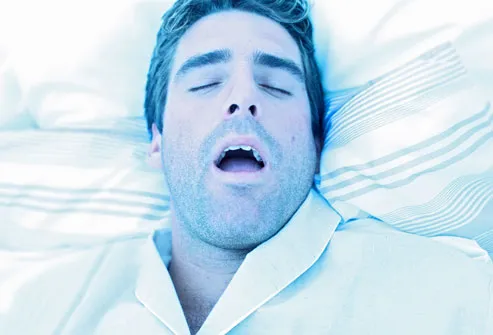
The body often shifts to a more comfortable position when sleeping. However, some people sleep through the discomfort, which then translates to other problems. Besides stiff body parts, they could easily develop sleep apnea. Sleep apnea is a serious condition that is often associated with other illnesses like stroke or heart failure, diabetes, depression, and severe headaches.

If you feel like no sleeping position works in giving you a good night’s rest, consider changing mattresses. There are a lot of mattresses out there, several of which are made specifically for certain body types. It could be possible that what you need is a mattress that suits you in terms of stiffness or firmness. If all else fails, Dr. Lisa M. Cannon recommends visiting a sleep clinic as no person should suffer sleeping problems for an extended period.

Dr. Lisa M. Cannon is a New Jersey-based physician. She earned her degree in medicine from New York Medical College. She has board certifications in critical care medicine, internal medicine, and pulmonary disease. Her practice focusses on pulmonary and respiratory medicine and sleep medicine. For similar reading materials, visit this blog.

Friday, December 20, 2019

How choosing the time to exercise affects overall wellness and sleep

Image source: blueprintfitnessatlanta.com
Looking at health and wellness from all angles, doctor and sleep expert Dr. Lisa M. Cannon has researched the various factors affecting a person’s sleep. To say that many things are affecting the quality and duration of sleep is an understatement.

For this blog, Dr. Lisa M. Cannon wishes to address exercise, specifically the time of day people work out, in relation to its effect on a person’s overall wellness and sleep.

A rather hot topic in fitness circles, the time a person works out has been studied as much as anything else in the universe of exercise. With factors such as personal goals and daily schedules, individuals have had their own say at which time is best.

Typically, people who live extremely active lifestyles with day jobs love working out in the morning, explaining that doing so gives them the energy to tide them over the day. A plus is that working out in the mornings helps people avoid huge crowds. On the other hand, people who don’t exactly love mornings work out at the end of their workday (late afternoon or evening), saying that it’s a great way to relieve themselves of the stresses of the day.

Image source: greatist.com 
In the context of sleep, there are two beliefs. Morning workouts use up a person’s energy enough to tire them by the end of the day, creating a feeling for a good night’s rest. Exercising at the end of the day, however, may help a person burn more fat and sleep better.

Dr. Lisa M. Cannon believes that while both times are good for one’s overall health, some people who work out at night find it harder to sleep due to the adrenalin spike, she adds.

Dr. Lisa M. Cannon graduated from New York Medical College in 1991 and completed her pulmonary fellowship at Mount Sinai Hospital. She was affiliated with Pascack Valley Hospital and the Valley Hospital in Ridgewood. Dr. Cannon has since focused on her own private practice in New Jersey. For more articles like this, visit this blog.

Friday, January 11, 2019

How light affects the quality and length of your sleep


Light can profoundly affect sleep and wakefulness. In fact, since indoor and artificial lights became more prevalent, people have moved farther and farther away from their natural sleep patterns as they remain awake long past sunset. Here’s a quick look at the significant effects of light in getting restful sleep.
Image source: Pixabay.com       
 Light is very important in establishing circadian time. External environmental, as well as social cues, set the phase for the circadian cycle, with daylight as the most powerful factor. This makes it harder to sleep in bright light than in dim light, and better for people to perform cognitive and physical tasks when there’s light than when it’s dark, independent of whether they feel sleepy.


Darkness or the absent of light sends a critical signal to the body that’s time to rest. Light exposure at the wrong times changes the body’s internal sleep clock, interfering with both length and quality of sleep. Melatonin, a hormone that influences sleep, naturally increases in levels during the early evening as darkness falls and continues to rise throughout most of the night.

Image source: Pixabay.com       
Artificial light wreaks havoc on sleep in today’s modern world. It disrupts circadian rhythm that governs not just sleep patterns but also the possibility of having sleep disorders, depression, and cardiovascular disease, to name a few. This sleep-disrupting light is mostly obtained from artificially lit screens such as television and iPhones.

Perhaps the most basic advice regarding artificial light is to shield it properly in the bedroom and use light at night only when it’s absolutely needed. There’s absolute merit to staying away from one’s gadgets at least an hour before hitting the sheets, especially if one’s after good, uninterrupted shuteye.

Dr. Lisa M. Cannon graduated from New York Medical College in 1991. She received her pulmonary fellowship at Mount Sinai Hospital and was affiliated with Pascack Valley Hospital in Westwood and the Valley Hospital in Ridgewood. She has since focused on developing her own private medical in New Jersey. More posts like this on this page.

Tuesday, December 4, 2018

Sleep isn’t for the weak: Here’s why you shouldn’t miss a shut eye

For workaholics and hardcore students, the saying, “Sleep is for the weak,” helps in keeping them from falling asleep at night. In a culture wherein working while running on little sleep is praised, promoting healthier sleeping habits can be difficult. Here are a few reasons for one to prioritize sleep.

Image source: express.co.uk
Losing sleep increases stress, disturbs mood, and impairs one’s ability to concentrate. All of these short-term effects can impact one’s work productivity and overall performance. In the long run, forsaking proper sleep can cause heightened risk fact for diabetes, increased risk for breast cancer, high blood pressure, decreased immune function, major depression, and obesity.

Image source: frackfreedenton.com
Major depression is a serious threat for insomniacs and other individuals who don’t get enough sleep at night. As depression carries a negative effect on sleep patterns, it may develop a cycle that can be hard to break. Lack of sleep can also affect one’s relationship with their partner and loved ones. Inadequate sleep can impair an individual’s ability to appreciate their partners and friends, which can then lead to stress and place tension on relationships.

Sleep is an integral function for a number of reasons. When one sleeps, the brain signals the body to release hormones and compounds helping in decreasing risk for health conditions, managing hunger levels, maintaining one’s immune system, and retaining memory. Having seven to eight hours of sleep a night can help improve one’s overall health.

Dr. Lisa M. Cannon graduated from New York Medical College in 1991. She received her pulmonary fellowship at Mount Sinai Hospital and was affiliated with Pascack Valley Hospital in Westwood and the Valley Hospital in Ridgewood. Dr. Cannon specializes in pulmonary disease, critical care, and sleep medicine. Visit this blog for more updates.

Thursday, November 1, 2018

The foundations of good sleep during pregnancy

Pregnancy is a time of drastic bodily changes, including leg cramps, nausea, heartburn, and a greater likelihood of having sleep disturbances.  Changes in sleep patterns can be caused by stress and anxiety, hormonal fluctuations, as well as the physical discomfort of childbearing.  But it’s not entirely impossible to enjoy a good night’s sleep while pregnant – here are tips to follow.

Image source: Pixabay.com       
Watch what you eat and drink
Cut down on caffeine-containing food and drinks.  Try to avoid heavy meals and spicy food before bedtime, as chili and acidic foods can cause indigestion and heartburn.  If you have heartburn, eat lighter meals and consume your last meal for the day two to three hours before heading to bed.  Drink plenty of fluids during the day, but cut down on it before bedtime to reduce nighttime urination.
Image source: Pixabay.com     

Keep moving
Improve circulation and overall health by exercising regularly.  But don’t do it late in the day, as exercise releases adrenaline, which can keep you awake throughout the night.

Use extra pillow
Pillows can be useful for supporting the tummy and back.  Place a pillow between the legs, too, to help support the lower back and make sleeping on your side easier.  Some ideal types are the wedge-shaped pillow and the full-length body pillow.

Manage stress
While worrying certainly won’t help, talking about your issues will.  Find a friend, family member, or professional who can listen and help if there are recurring sources of worry or feeling upset in your life, especially during pregnancy.

Get medical help
Your ob-gyne or a sleep specialist can outline the best steps to take if insomnia persists and even worsens during pregnancy.


 Dr. Lisa M. Cannon is a New Jersey-based physician.  She earned her degree in medicine from New York City College and her fellowship in pulmonary, critical care, and sleep medicine from the renowned Mount Sinai Hospital in New York.  Learn more about her practice on this website.

Tuesday, September 18, 2018

What constitutes a healthy sleep?


Image source: Pixabay.com       
Sleep is a cornerstone of good health that should never be neglected.  It is vital to both physical and mental wellness, and sleeping well means giving the body the time it needs to recharge and recover for another day.  But what can actually be considered healthy sleep – and how can it be achieved?

Adults, on average, are encouraged to get seven to nine hours of sleep every night.  It should be known, however, that those needs actually vary individually.  Some people, for instance, are at their best with eight hours, while others are well on six hours alongside daytime naps.


Image source: Pixabay.com     
Aside from quantity, quality is a vital factor in determining healthy sleep.  A restful sleep should be free of common disrupters such as noise and daytime light.  Alcohol, caffeine, and tobacco can also affect sleep quality and thus should be avoided. In addition, having a regular sleep routine will help one function properly, ideally waking up at the same time every morning and going to bed at night once sleepy.

Numerous benefits come with healthy sleep, including promoting peak performance and productivity, fighting off infection, and keeping a healthy weight.  It’s also crucial for sharp memory and focus, helping one excel in work or at school.  Healthy sleep balances one’s mood and emotions, and without it, one is more prone to struggle with anxiety and depression.


To achieve healthy sleep one should stick to a consistent sleep schedule, even on weekends or during vacations.  Establish a relaxing bedtime routine where the bed is only for sleep, the bedroom is quiet and at a cool temperature, and there’s little to no exposure to bright lights.  Turn off electronic gadgets at least half an hour before bedtime. 

Dr. Lisa M. Cannon graduated from New York Medical College in 1991. She received her pulmonary fellowship at Mount Sinai Hospital and was affiliated with Pascack Valley Hospital in Westwood and the Valley Hospital in Ridgewood. She has since focused on developing her own private medical in New Jersey. For more articles like this, click here.

Wednesday, August 10, 2016

Limit-Setting Insomnia In Children: What Is It About?

Image source: zerotothree.org
Teenagers and adults are not the only ones who suffer from insomnia. Insomnia is a term for difficulty in staying or falling asleep. It is commonly caused by certain behaviors, and it can affect the quality of life of those who suffer from it.

Young children suffer from insomnia, too, be

Toddlers and young children do not recognize how much they need sleep to recharge their energy. When they are left unsupervised, they might develop varying sleep schedules which will disrupt their circadian rhythm. Children will feel tired day after day, and can get sick because of their lack of sleep.

A lot of parents see this as a difficult time for learning with their children. When the child refuses to sleep, parents give in to their demands by giving them food or toys, which can delay their progress in learning how to sleep on their own. To prevent this, parents must establish appropriate sleeping schedules even on weekends. Quiet activities like book reading before bedtime can also help children establish a sleep
Image source: zerotothree.org
schedule.

If the child continues to have difficulty in sleeping, it is best for parents to bring them to a board-certified sleep specialist and physician.

Dr. Lisa Marie Cannon is a New Jersey-based board-certified physician. She specializes in sleep medicine and pulmonary care. Visit this Twitter page for updates about her fields of specialization.


Thursday, July 7, 2016

Want To Sleep Well? Drop The Cigarette.

Image source: Getty Images
People try a lot of things to help them sleep better. They do breathing exercises, diet, physical activities, and they even drink sleeping pills for a satisfying snooze. However, research suggests smokers are prone to insomnia, and giving up smoking might be their best bet towards better sleep. Nicotine is a potent stimulant, and those who smoke closest to their bedtime are more likely to develop insomnia.

According to studies, smoking disrupts the body clock by bringing complications to the brain and lungs. This can disrupt a person’s sleeping patterns, causing anxiety, mood disorders, and cognitive decline.

Image source: webmd.com
Cigarette smoking has a huge impact on a person’s neurophysiological and pulmonary functions. It can increase snoring and the predisposition to sleep apnea. Chemicals and pollutants present in smoke could cause airway swelling, especially in soft tissues found in the nose and throat. These airflow changes could result in vibration in sleep that causes snoring. Even those who receive secondhand smoke could be at risk for complications like these, especially younger children.

Nonsmokers are the soundest of sleepers. Quitting smoking can help people sleep, function, and live better.

Dr. Lisa Marie Cannon is a physician who specializes in critical care, pulmonary disease, and sleep medicine. Visit this blogto read similar articles.