Showing posts with label smoking. Show all posts

Monday, September 28, 2020

Effects of smoking on exercise and physical fitness


It has long been established that cigarette smoking puts one at risk of many health problems. Practiced by more than one billion people in the world, tobacco smoking is a popular attachment in the society. Some smokers who desire to be fit and healthy incorporate exercise in their daily routine. How can smoking affect physical fitness? 

Image source: tobaccofreelife.org


Nicotine and carbon monoxide are two elements that thicken the blood and cause the arteries to narrow. Blood flow is decreased when arteries become narrow, which then would prevent the blood from flowing to the heart, organs, and muscles. This sensation makes exercising harder than usual, says Dr. Lisa M. Cannon, as blood flow aids in boosting the oxygen supply to the muscles.

A person’s resting heart rate dictates the number of beats per minute their heart generates when they are inactive. A smoker’s heart has to work extra in order to produce beats enough to keep the body going. During exercise, their heart rate could hit dangerous levels as the activity could be too strenuous for the heart. Smokers have less endurance, improper physical performance, and increased risk of complications and injuries. 

Image source: onlinedoctor.lloydspharmacy.com

According to Dr. Lisa M. Cannon, it would be best to quit smoking as early as possible or to not get into the habit at all. An individual’s physical fitness is greatly affected by smoking in many ways including lessened muscular strength and flexibility; reduced benefit from physical training; and increased chances of experiencing shortness of breath. Cigarette smoking also prevents proper healing and recovery of the body which is essential in physical fitness.

Dr. Lisa M. Cannon specializes in critical care, sleep medicine, and pulmonary medicine. She is a board-certified physician with a private practice in New Jersey. To read more from Dr. Lisa M. Cannon, head over to this page.

Tuesday, April 28, 2020

The dangers of thirdhand smoke

In the past, health authorities have raised awareness regarding secondhand smoke and its effects. However, the effect of a person's smoking habits doesn’t end when others inhale the fumes from a smoker's cigarette. Researchers from Yale University released studies on the so-called "thirdhand smoke.” In this blog, Dr. Lisa M. Cannon explains how it can affect people and the environment.
Image source: Bbc.co.uk

Image source: Medicalnewstoday.com
Thirdhand smoke isn't really smoke. These are tobacco contaminants that may remain in surfaces walls, carpets, beddings, and even in clothing. Places such as bars and movie theatres that can still smell like cigarette smoke even when no one is smoking indoors may most likely have these harmful particles. A home with one smoker can have nicotine and other toxic residues that can expose other residents to potentially dangerous fumes. As this is still a developing study, researchers are still considering whether e-cigarettes have the same effect.

Dr. Lisa M. Cannon shares that, according to the study, non-smokers can be exposed to nicotine and other toxic chemicals from public spaces that they could be sharing with smokers. What these researchers even discovered is that a person could have been exposed to up to 10 cigarettes in less than two hours. Thirdhand smoke can also be transmitted through a person's clothing. These particles can only be eliminated through meticulous and regular cleaning. Children and infants are most prone to the harmful effects. While the study is still developing, scientists are still gathering data on how it can damage a person's health.

Dr. Lisa M. Cannon is a board-certified physician who has been practicing for more than 15 years. She graduated with a degree in medicine from New York Medical College and completed her fellowship in pulmonary, critical care, and sleep medicine at the renowned Mount Sinai Hospital in New York. For more updates, visit Dr. Lisa M. Cannon on Twitter.

Thursday, July 7, 2016

Want To Sleep Well? Drop The Cigarette.

Image source: Getty Images
People try a lot of things to help them sleep better. They do breathing exercises, diet, physical activities, and they even drink sleeping pills for a satisfying snooze. However, research suggests smokers are prone to insomnia, and giving up smoking might be their best bet towards better sleep. Nicotine is a potent stimulant, and those who smoke closest to their bedtime are more likely to develop insomnia.

According to studies, smoking disrupts the body clock by bringing complications to the brain and lungs. This can disrupt a person’s sleeping patterns, causing anxiety, mood disorders, and cognitive decline.

Image source: webmd.com
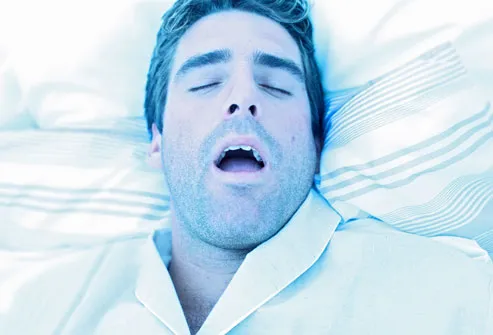
Cigarette smoking has a huge impact on a person’s neurophysiological and pulmonary functions. It can increase snoring and the predisposition to sleep apnea. Chemicals and pollutants present in smoke could cause airway swelling, especially in soft tissues found in the nose and throat. These airflow changes could result in vibration in sleep that causes snoring. Even those who receive secondhand smoke could be at risk for complications like these, especially younger children.

Nonsmokers are the soundest of sleepers. Quitting smoking can help people sleep, function, and live better.

Dr. Lisa Marie Cannon is a physician who specializes in critical care, pulmonary disease, and sleep medicine. Visit this blogto read similar articles.