Showing posts with label COVID-19. Show all posts

Thursday, April 22, 2021

The reason for enduring wearing masks for much longer

Even with news of many people receiving vaccines against COVID-19, the world isn’t out of the woods yet. Sure, the light at the end of the tunnel is now more visible than before. However, vaccinated people still have to wear their masks a little longer.

Image source: news.llu.edu


For starters, most vaccines require individuals to receive two shots before the immunity response to fully work, with about three weeks to a month in between shots, mentions Dr. Lisa M. Cannon. Much like any other vaccine for any other disease, the response is not instant, but results are promising and encouraging. No vaccine provides 100% protection from the dreaded virus but receiving complete doses does offer one protection from severe symptoms.

Image source: healthline.com


In countries where help is not easily obtained, people will have to wear masks for much longer for reasons such as lack of vaccine supply and challenges in the rollout and inoculation logistics. Herd immunity may take more time in these regions. Children below 18, pregnant women, and individuals with severe chronic illnesses cannot be vaccinated. Keeping a mask on would mean protecting these vulnerable individuals from the threat of the virus.

According to Dr. Lisa M. Cannon, vaccines alone cannot end the pandemic. The development and rollout of the vaccines, including inoculation, signify that the world is on the right track. However, diligence in following health and safety protocols set by health authorities remains the best way to protect oneself and their loved ones from the virus.

Dr. Lisa M. Cannon is a pulmonologist with more than 15 years of experience in her field. Her passion for pulmonology and critical care has led to her own medical practice in New Jersey. Subscribe to this blog for more updates from Dr. Lisa M. Cannon.

Friday, August 28, 2020

Six ways to stay safe from airborne diseases


After more than 200 doctors wrote to the World Health Organization to reconsider the manner COVID-19 is transmitted and spread, the global health agency is firm in keeping its initial claim that the higher risk of spreading the virus is still through droplets or larger particles that settle faster and are less likely to gather in the air. 

Image source: indiatvnews.com


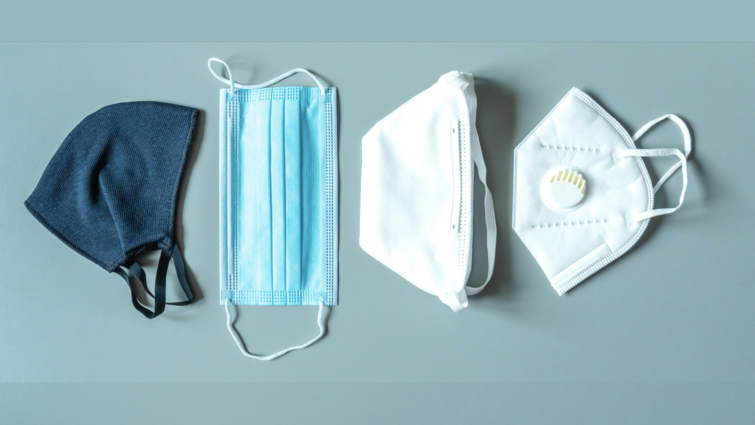
However, as safety and health precaution, it is in the best interest of people to treat the virus as if it is airborne. One of the best ways to stay safe from airborne diseases is to avoid large gatherings. Airborne diseases spread quickly in crowds. Wear a face mask properly to reduce the risk of encountering airborne microbes that may be present in the atmosphere, reminds Dr. Lisa M. 
Cannon. 

Image source: medicalnewstoday.com


It is imperative to unlearn the habit of touching the nose, eyes, mouth, and face during these times. If a person is to touch their face, they must make sure that they have clean hands. Regular handwashing or disinfecting reduces a person’s risk of catching the virus.

According to Dr. Lisa M. Cannon, it is crucial to practice healthy habits, such as getting quality sleep, keeping a well-balanced diet, working out regularly, managing stress, and drinking lots of fluids, and taking multivitamins to boost the immune system. A strong immune system can help fight off airborne diseases. Lastly, practice social distancing. Keeping a safe distance of 2 meters while wearing a mask when in public, reduces the risk of people spreading and catching COVID-19 and airborne diseases.

Dr. Lisa M. Cannon is a board-certified specialist in pulmonary disease, critical care, and internal medicine. She completed her Master’s in Public Health from the NYU Wagner School of Public Service to continue giving her patients the best service. Visit this page for more updates from Dr. Lisa M. Cannon.
Wednesday, July 29, 2020

Strengthen lungs at home with these tips

People often overlook keeping their lungs whole and well. Since the start of the pandemic, more individuals have been trying to take better care of themselves. Boosting the immune system and improving lung capacity have become a priority. Dr. Lisa M. Cannon shares on this post the best ways to keep lungs strong and healthy.
Image source: dtnext.in

Image source: nearsay.com


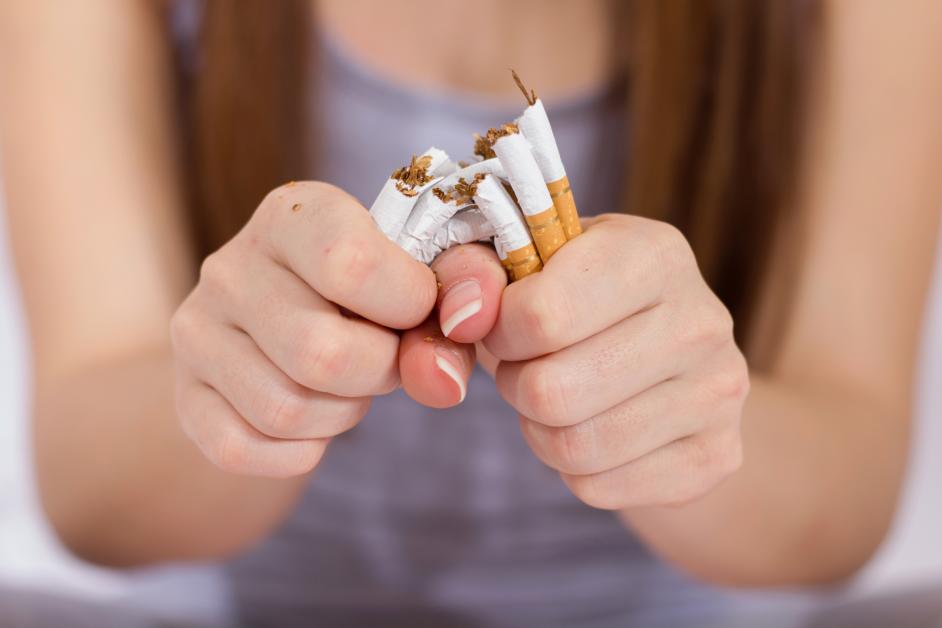
Avoid smoking. It has long been established that smoking increases a person’s risk of having respiratory problems such as asthma, idiopathic pulmonary fibrosis, COPD, and lung cancer. Exercise is integral in keeping the lungs in tip-top shape. Regular workout ensures that the heart is strong and the lungs are healthy. Having strong lungs helps a person’s body hold out against aging and sickness.

Check your posture in order to give the lungs enough space. Sitting tall and trying to reach above the head ensure the lungs are given room. The lungs have a mucosal lining that should be kept thin for the lungs to perform effectively. Stay hydrated by drinking enough water throughout the day. Laugh more to engage the abdominal muscles and improve lung capacity. According to pulmonologist Dr. Lisa M. Cannon, laughing removes stale air from the body, which permits fresh air to fill the parts of the lungs.

During these times, it is best to stay home to avoid air pollutants and viruses. With more industries reopening, it can be tempting to go out and enjoy a little bit of freedom. However, only go to public areas when it is necessary, and avoid staying out of the house too long to reduce the risk of catching the virus.

Dr. Lisa M. Cannon earned her medical degree from New York College of Medicine and her fellowship in pulmonary disease, critical care, and sleep medicine from Mount Sinai Hospital. Get quick updates from Dr. Lisa M. Cannon by following her on Twitter.