Showing posts with label respiratory health. Show all posts

Monday, January 25, 2021

All you need to know about working out with a mask on


Image source: fox47news.com

Wearing a mask when in public or when with individuals from different households reduces a person’s chances of getting infected with the COVID-19 virus or infecting others when they unknowingly carry it. As gyms and parks reopen, more and more people are exercising outside of their homes. Dr. Lisa M. Cannon walks her readers through on exercising with a mask on. 

In general, exercising with a mask on is safe. Long before the pandemic hit the world, many sports brands have tried to introduce face masks that help improve an athlete’s performance. However, the situation calls for the kind of mask that protects one from respiratory droplets and airborne particles. A person with underlying respiratory health issues must consider working out in the comfort of their own home so they won’t need to wear a mask while exercising. 

Image source: glamour.com


Unlike normal breathing, exercising with a mask or face cover reduces the oxygen flow into the lungs. It makes training difficult as there is less oxygen inhaled. Therefore, less oxygen flowing through the bloodstream and muscles. Athletes with incredible strength and endurance are not exempt from feeling fatigued much faster when wearing a face cover. 

According to Dr. Lisa M. Cannon, one should be mindful about their breathing when working out with a mask on. It is advised to take breathing breaks often, but in safe places. When a person feels dizzy, fatigued, and out-of-balance during a workout, it is advised that they stop immediately. While the body will eventually adapt to the new normal, it’s best to not overdo it.

Dr. Lisa M. Cannon earned her medical degree from New York College of Medicine and her fellowship in pulmonary disease, critical care, and sleep medicine from Mount Sinai Hospital. She is a pulmonologist with more than 15 years of experience in her field. Visit this page to know more about Dr. Lisa M. Cannon.

Wednesday, July 29, 2020

Strengthen lungs at home with these tips

People often overlook keeping their lungs whole and well. Since the start of the pandemic, more individuals have been trying to take better care of themselves. Boosting the immune system and improving lung capacity have become a priority. Dr. Lisa M. Cannon shares on this post the best ways to keep lungs strong and healthy.
Image source: dtnext.in

Image source: nearsay.com


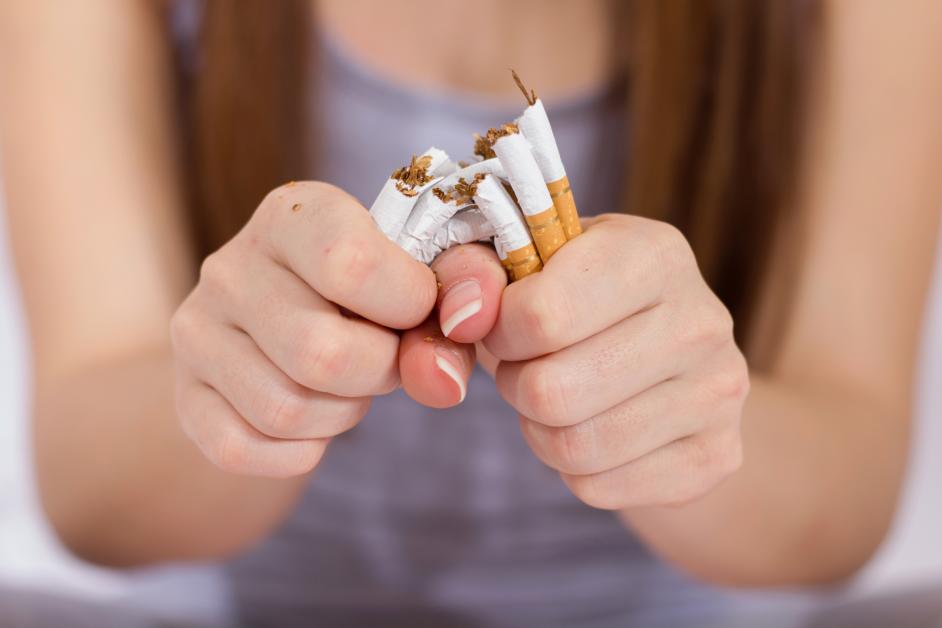
Avoid smoking. It has long been established that smoking increases a person’s risk of having respiratory problems such as asthma, idiopathic pulmonary fibrosis, COPD, and lung cancer. Exercise is integral in keeping the lungs in tip-top shape. Regular workout ensures that the heart is strong and the lungs are healthy. Having strong lungs helps a person’s body hold out against aging and sickness.

Check your posture in order to give the lungs enough space. Sitting tall and trying to reach above the head ensure the lungs are given room. The lungs have a mucosal lining that should be kept thin for the lungs to perform effectively. Stay hydrated by drinking enough water throughout the day. Laugh more to engage the abdominal muscles and improve lung capacity. According to pulmonologist Dr. Lisa M. Cannon, laughing removes stale air from the body, which permits fresh air to fill the parts of the lungs.

During these times, it is best to stay home to avoid air pollutants and viruses. With more industries reopening, it can be tempting to go out and enjoy a little bit of freedom. However, only go to public areas when it is necessary, and avoid staying out of the house too long to reduce the risk of catching the virus.

Dr. Lisa M. Cannon earned her medical degree from New York College of Medicine and her fellowship in pulmonary disease, critical care, and sleep medicine from Mount Sinai Hospital. Get quick updates from Dr. Lisa M. Cannon by following her on Twitter.

Tuesday, April 28, 2020

The dangers of thirdhand smoke

In the past, health authorities have raised awareness regarding secondhand smoke and its effects. However, the effect of a person's smoking habits doesn’t end when others inhale the fumes from a smoker's cigarette. Researchers from Yale University released studies on the so-called "thirdhand smoke.” In this blog, Dr. Lisa M. Cannon explains how it can affect people and the environment.
Image source: Bbc.co.uk

Image source: Medicalnewstoday.com
Thirdhand smoke isn't really smoke. These are tobacco contaminants that may remain in surfaces walls, carpets, beddings, and even in clothing. Places such as bars and movie theatres that can still smell like cigarette smoke even when no one is smoking indoors may most likely have these harmful particles. A home with one smoker can have nicotine and other toxic residues that can expose other residents to potentially dangerous fumes. As this is still a developing study, researchers are still considering whether e-cigarettes have the same effect.

Dr. Lisa M. Cannon shares that, according to the study, non-smokers can be exposed to nicotine and other toxic chemicals from public spaces that they could be sharing with smokers. What these researchers even discovered is that a person could have been exposed to up to 10 cigarettes in less than two hours. Thirdhand smoke can also be transmitted through a person's clothing. These particles can only be eliminated through meticulous and regular cleaning. Children and infants are most prone to the harmful effects. While the study is still developing, scientists are still gathering data on how it can damage a person's health.

Dr. Lisa M. Cannon is a board-certified physician who has been practicing for more than 15 years. She graduated with a degree in medicine from New York Medical College and completed her fellowship in pulmonary, critical care, and sleep medicine at the renowned Mount Sinai Hospital in New York. For more updates, visit Dr. Lisa M. Cannon on Twitter.