Monday, January 25, 2021

All you need to know about working out with a mask on


Image source: fox47news.com

Wearing a mask when in public or when with individuals from different households reduces a person’s chances of getting infected with the COVID-19 virus or infecting others when they unknowingly carry it. As gyms and parks reopen, more and more people are exercising outside of their homes. Dr. Lisa M. Cannon walks her readers through on exercising with a mask on. 

In general, exercising with a mask on is safe. Long before the pandemic hit the world, many sports brands have tried to introduce face masks that help improve an athlete’s performance. However, the situation calls for the kind of mask that protects one from respiratory droplets and airborne particles. A person with underlying respiratory health issues must consider working out in the comfort of their own home so they won’t need to wear a mask while exercising. 

Image source: glamour.com


Unlike normal breathing, exercising with a mask or face cover reduces the oxygen flow into the lungs. It makes training difficult as there is less oxygen inhaled. Therefore, less oxygen flowing through the bloodstream and muscles. Athletes with incredible strength and endurance are not exempt from feeling fatigued much faster when wearing a face cover. 

According to Dr. Lisa M. Cannon, one should be mindful about their breathing when working out with a mask on. It is advised to take breathing breaks often, but in safe places. When a person feels dizzy, fatigued, and out-of-balance during a workout, it is advised that they stop immediately. While the body will eventually adapt to the new normal, it’s best to not overdo it.

Dr. Lisa M. Cannon earned her medical degree from New York College of Medicine and her fellowship in pulmonary disease, critical care, and sleep medicine from Mount Sinai Hospital. She is a pulmonologist with more than 15 years of experience in her field. Visit this page to know more about Dr. Lisa M. Cannon.

Friday, December 25, 2020

Everything you need to know to restore your sleep clock


Image source: sciencenewsforstudents.org

The circadian rhythm is described as the body’s internal process regulating the sleep-wake cycle, repeating on every rotation of the planet approximately every twenty-four hours. The body may not reach its best shape when the one’s sleep-wake cycle isn’t in its proper order. 

Rest is a weapon. Sleep quality is important in helping the body rest and recover from everything it has done during the day. Not everyone is able to sleep and wake up early for many different reasons. Dr. Lisa M. Cannon recommends banning blue light before bed in order to wind down properly. If possible, dim the lights and place devices far from the bed. Individuals who work at night may want to use blue-light blocking glasses as they head home during daytime so as to delude the mind that it’s nighttime. 

Image source: society6.com

Advanced and delayed sleep timing can ruin one’s sleep-wake cycle. Practice hitting the sack and waking up at the same time each day to improve sleeping habit. It matters to commit to the sleep-wake schedule, which means eliminating stimulants that can hinder sleep such as caffeine, alcohol, and nicotine. Avoid going to bed with a full stomach as this can overwork the digestive system which can lead to interrupted sleep.

Dr. Lisa M. Cannon mentions that skipping naps can help restore a person’s sleep clock. Naps can be tempting at any time of day, but if one makes it a goal to fall asleep fast at night, skipping the midday shuteye is the way to go.

Dr. Lisa M. Cannon is a New Jersey-based physician. Her specializations include critical care, pulmonary medicine, and sleep medicine. For more updates from Dr. Lisa M. Cannon, head over to this page.

Monday, November 16, 2020

What is shift work disorder?


Sleeping for 6-8 hours each night is one of the components of a healthy life. However, some occupations have a non-traditional schedule. Those who work in the early morning, late at night, and rotating shifts can be at risk for shift work disorder. According to physician Dr. Lisa M. Cannon, an irregular sleep schedule may affect the body's circadian rhythm causing a person to have a light sleep during their supposed rest hours and excessively lethargic while at work. 

Image source: Unsplash.com

Getting the right amount of sleep is important for the body's recovery. Not getting quality shuteye can lead to poor memory and lack of focus. It can also affect a person's moods and make them irritable or prone to depression. Dr. Lisa M. Cannon shares that those with shift work disorder are also prone to heart disease, insulin resistance, metabolic syndrome, and ulcers.

If one can't avoid working shifts and odd hours, there are many ways to manage sleep disorders. Improving sleep hygiene, such as having a restful, quiet, and cool bedroom, blackout curtains, and consistent sleep hours, can train the body to fall asleep when it is supposed to be. However, changing the body's sleep habits might take time. This is why, according to Dr. Lisa M. Cannon, doctors don't immediately recommend sleep medication but first recommend a change in habits. People must first continue to train their bodies to have better sleep practices, even with their irregular hours at work. Aside from ensuring that a person gets the right amount of sleep, their routine before bedtime is also important. This is why sleep experts suggest living a healthy lifestyle by staying active, eating nutritious meals, managing stress, and getting the right amount of rest. 

Image source: Unsplash.com

Dr. Lisa M. Cannon is a board-certified physician who has been practicing for more than 15 years. She graduated with a degree in medicine from New York Medical College and completed her pulmonary, critical care, and sleep medicine fellowship at the renowned Mount Sinai Hospital in New York. For more updates, visit this Twitter page.


Wednesday, October 21, 2020

How sleep can be the deciding factor on weight loss success


Individuals who set out on a weight loss journey often assume that a gym membership would do the job. Without a proper diet and enough sleep, gym-goers could be setting themselves up for defeat. Dr. Lisa M. Cannon shares on this blog how sleep can influence one’s weight loss journey. 

Image source: cdc.gov


People on the road to weight loss must acknowledge early in the game that lack of sleep is the main hindrance to their objective. Sleep loss leads to increased appetite. This is due to the body producing more ghrelin, a hormone released in the stomach signaling hunger in the brain, and less leptin, the hormone suppressing hunger and signaling fullness. Sleep deprivation changes the way one’s brain operates. Lack of sleep potentially decreases activity in the frontal lobe, the part of the brain essential for self-control and decision-making. 

Image source: helpguide.org


Individuals who get enough sleep consume fewer calories compared to those who sleep for a short period. People who exercise regularly and include weightlifting in their routine develop their muscles. Lean muscles are known to burn fat, which improves resting metabolism. Lack of sleep decreases muscle mass, which could lower one’s resting metabolic rate.

According to Dr. Lisa M. Cannon, sleep deprivation is to be blamed for daytime fatigue. Individuals who do not prioritize sleep are more likely to want to skip exercise as they could lose motivation to do anything physical. Athletic performance is improved in those who get more sleep. A 10-hour sleep each night for a few weeks can alter an athlete’s performance, improving their reaction time, accuracy, and speed.

Dr. Lisa M. Cannon specializes in critical care, sleep medicine, and pulmonary diseases. A board-certified physician, she received her medical degree from New York College of Medicine and her fellowship in pulmonary disease, critical care, and sleep medicine from Mount Sinai Hospital. Head over to this page for more updates.

Monday, September 28, 2020

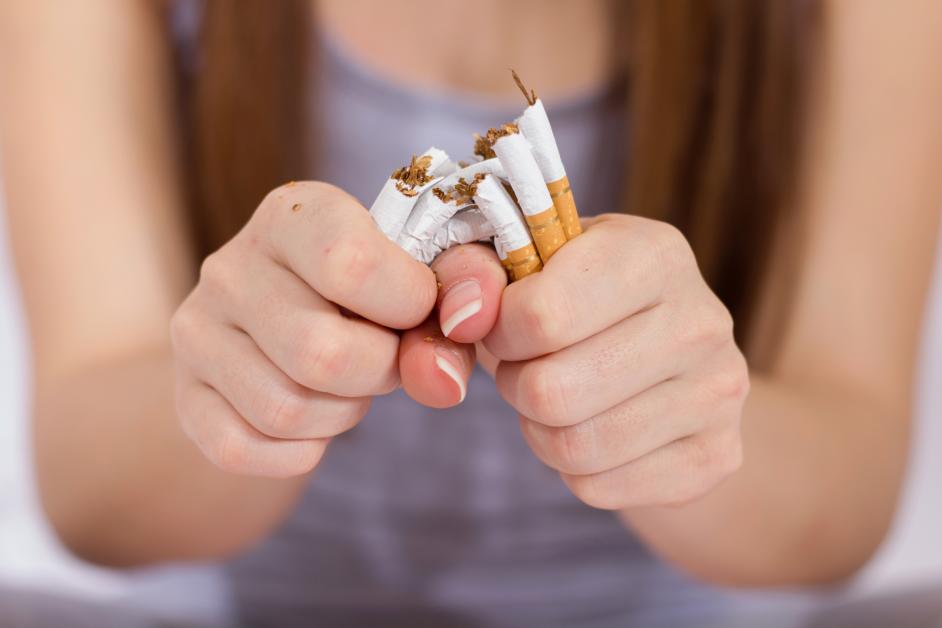
Effects of smoking on exercise and physical fitness


It has long been established that cigarette smoking puts one at risk of many health problems. Practiced by more than one billion people in the world, tobacco smoking is a popular attachment in the society. Some smokers who desire to be fit and healthy incorporate exercise in their daily routine. How can smoking affect physical fitness? 

Image source: tobaccofreelife.org


Nicotine and carbon monoxide are two elements that thicken the blood and cause the arteries to narrow. Blood flow is decreased when arteries become narrow, which then would prevent the blood from flowing to the heart, organs, and muscles. This sensation makes exercising harder than usual, says Dr. Lisa M. Cannon, as blood flow aids in boosting the oxygen supply to the muscles.

A person’s resting heart rate dictates the number of beats per minute their heart generates when they are inactive. A smoker’s heart has to work extra in order to produce beats enough to keep the body going. During exercise, their heart rate could hit dangerous levels as the activity could be too strenuous for the heart. Smokers have less endurance, improper physical performance, and increased risk of complications and injuries. 

Image source: onlinedoctor.lloydspharmacy.com

According to Dr. Lisa M. Cannon, it would be best to quit smoking as early as possible or to not get into the habit at all. An individual’s physical fitness is greatly affected by smoking in many ways including lessened muscular strength and flexibility; reduced benefit from physical training; and increased chances of experiencing shortness of breath. Cigarette smoking also prevents proper healing and recovery of the body which is essential in physical fitness.

Dr. Lisa M. Cannon specializes in critical care, sleep medicine, and pulmonary medicine. She is a board-certified physician with a private practice in New Jersey. To read more from Dr. Lisa M. Cannon, head over to this page.

Friday, August 28, 2020

Six ways to stay safe from airborne diseases


After more than 200 doctors wrote to the World Health Organization to reconsider the manner COVID-19 is transmitted and spread, the global health agency is firm in keeping its initial claim that the higher risk of spreading the virus is still through droplets or larger particles that settle faster and are less likely to gather in the air. 

Image source: indiatvnews.com


However, as safety and health precaution, it is in the best interest of people to treat the virus as if it is airborne. One of the best ways to stay safe from airborne diseases is to avoid large gatherings. Airborne diseases spread quickly in crowds. Wear a face mask properly to reduce the risk of encountering airborne microbes that may be present in the atmosphere, reminds Dr. Lisa M. 
Cannon. 

Image source: medicalnewstoday.com


It is imperative to unlearn the habit of touching the nose, eyes, mouth, and face during these times. If a person is to touch their face, they must make sure that they have clean hands. Regular handwashing or disinfecting reduces a person’s risk of catching the virus.

According to Dr. Lisa M. Cannon, it is crucial to practice healthy habits, such as getting quality sleep, keeping a well-balanced diet, working out regularly, managing stress, and drinking lots of fluids, and taking multivitamins to boost the immune system. A strong immune system can help fight off airborne diseases. Lastly, practice social distancing. Keeping a safe distance of 2 meters while wearing a mask when in public, reduces the risk of people spreading and catching COVID-19 and airborne diseases.

Dr. Lisa M. Cannon is a board-certified specialist in pulmonary disease, critical care, and internal medicine. She completed her Master’s in Public Health from the NYU Wagner School of Public Service to continue giving her patients the best service. Visit this page for more updates from Dr. Lisa M. Cannon.

Wednesday, July 29, 2020

Strengthen lungs at home with these tips

People often overlook keeping their lungs whole and well. Since the start of the pandemic, more individuals have been trying to take better care of themselves. Boosting the immune system and improving lung capacity have become a priority. Dr. Lisa M. Cannon shares on this post the best ways to keep lungs strong and healthy.
Image source: dtnext.in

Image source: nearsay.com


Avoid smoking. It has long been established that smoking increases a person’s risk of having respiratory problems such as asthma, idiopathic pulmonary fibrosis, COPD, and lung cancer. Exercise is integral in keeping the lungs in tip-top shape. Regular workout ensures that the heart is strong and the lungs are healthy. Having strong lungs helps a person’s body hold out against aging and sickness.

Check your posture in order to give the lungs enough space. Sitting tall and trying to reach above the head ensure the lungs are given room. The lungs have a mucosal lining that should be kept thin for the lungs to perform effectively. Stay hydrated by drinking enough water throughout the day. Laugh more to engage the abdominal muscles and improve lung capacity. According to pulmonologist Dr. Lisa M. Cannon, laughing removes stale air from the body, which permits fresh air to fill the parts of the lungs.

During these times, it is best to stay home to avoid air pollutants and viruses. With more industries reopening, it can be tempting to go out and enjoy a little bit of freedom. However, only go to public areas when it is necessary, and avoid staying out of the house too long to reduce the risk of catching the virus.

Dr. Lisa M. Cannon earned her medical degree from New York College of Medicine and her fellowship in pulmonary disease, critical care, and sleep medicine from Mount Sinai Hospital. Get quick updates from Dr. Lisa M. Cannon by following her on Twitter.