Monday, September 28, 2020

Effects of smoking on exercise and physical fitness


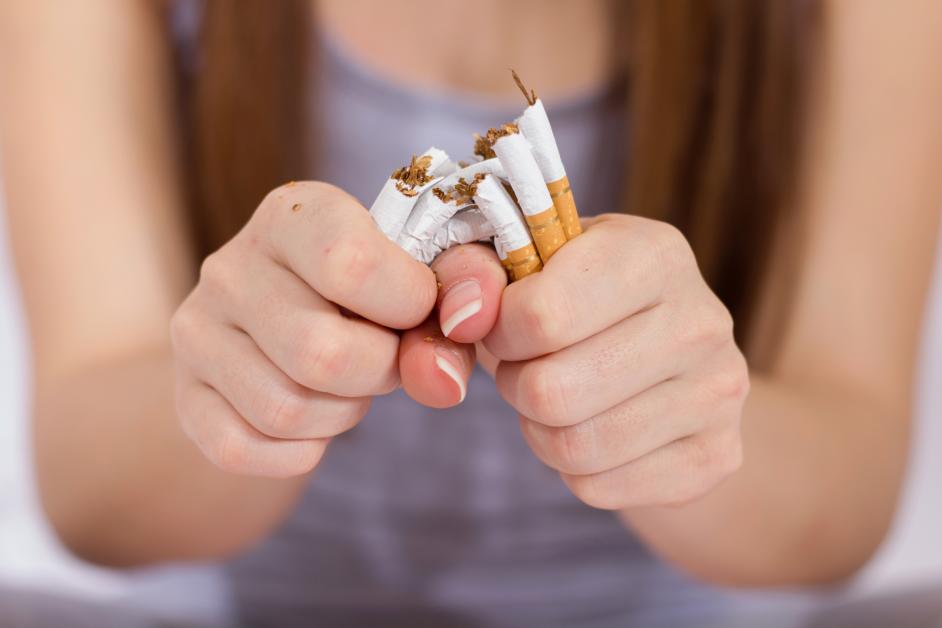
It has long been established that cigarette smoking puts one at risk of many health problems. Practiced by more than one billion people in the world, tobacco smoking is a popular attachment in the society. Some smokers who desire to be fit and healthy incorporate exercise in their daily routine. How can smoking affect physical fitness? 

Image source: tobaccofreelife.org


Nicotine and carbon monoxide are two elements that thicken the blood and cause the arteries to narrow. Blood flow is decreased when arteries become narrow, which then would prevent the blood from flowing to the heart, organs, and muscles. This sensation makes exercising harder than usual, says Dr. Lisa M. Cannon, as blood flow aids in boosting the oxygen supply to the muscles.

A person’s resting heart rate dictates the number of beats per minute their heart generates when they are inactive. A smoker’s heart has to work extra in order to produce beats enough to keep the body going. During exercise, their heart rate could hit dangerous levels as the activity could be too strenuous for the heart. Smokers have less endurance, improper physical performance, and increased risk of complications and injuries. 

Image source: onlinedoctor.lloydspharmacy.com

According to Dr. Lisa M. Cannon, it would be best to quit smoking as early as possible or to not get into the habit at all. An individual’s physical fitness is greatly affected by smoking in many ways including lessened muscular strength and flexibility; reduced benefit from physical training; and increased chances of experiencing shortness of breath. Cigarette smoking also prevents proper healing and recovery of the body which is essential in physical fitness.

Dr. Lisa M. Cannon specializes in critical care, sleep medicine, and pulmonary medicine. She is a board-certified physician with a private practice in New Jersey. To read more from Dr. Lisa M. Cannon, head over to this page.

Friday, August 28, 2020

Six ways to stay safe from airborne diseases


After more than 200 doctors wrote to the World Health Organization to reconsider the manner COVID-19 is transmitted and spread, the global health agency is firm in keeping its initial claim that the higher risk of spreading the virus is still through droplets or larger particles that settle faster and are less likely to gather in the air. 

Image source: indiatvnews.com


However, as safety and health precaution, it is in the best interest of people to treat the virus as if it is airborne. One of the best ways to stay safe from airborne diseases is to avoid large gatherings. Airborne diseases spread quickly in crowds. Wear a face mask properly to reduce the risk of encountering airborne microbes that may be present in the atmosphere, reminds Dr. Lisa M. 
Cannon. 

Image source: medicalnewstoday.com


It is imperative to unlearn the habit of touching the nose, eyes, mouth, and face during these times. If a person is to touch their face, they must make sure that they have clean hands. Regular handwashing or disinfecting reduces a person’s risk of catching the virus.

According to Dr. Lisa M. Cannon, it is crucial to practice healthy habits, such as getting quality sleep, keeping a well-balanced diet, working out regularly, managing stress, and drinking lots of fluids, and taking multivitamins to boost the immune system. A strong immune system can help fight off airborne diseases. Lastly, practice social distancing. Keeping a safe distance of 2 meters while wearing a mask when in public, reduces the risk of people spreading and catching COVID-19 and airborne diseases.

Dr. Lisa M. Cannon is a board-certified specialist in pulmonary disease, critical care, and internal medicine. She completed her Master’s in Public Health from the NYU Wagner School of Public Service to continue giving her patients the best service. Visit this page for more updates from Dr. Lisa M. Cannon.

Wednesday, July 29, 2020

Strengthen lungs at home with these tips

People often overlook keeping their lungs whole and well. Since the start of the pandemic, more individuals have been trying to take better care of themselves. Boosting the immune system and improving lung capacity have become a priority. Dr. Lisa M. Cannon shares on this post the best ways to keep lungs strong and healthy.
Image source: dtnext.in

Image source: nearsay.com


Avoid smoking. It has long been established that smoking increases a person’s risk of having respiratory problems such as asthma, idiopathic pulmonary fibrosis, COPD, and lung cancer. Exercise is integral in keeping the lungs in tip-top shape. Regular workout ensures that the heart is strong and the lungs are healthy. Having strong lungs helps a person’s body hold out against aging and sickness.

Check your posture in order to give the lungs enough space. Sitting tall and trying to reach above the head ensure the lungs are given room. The lungs have a mucosal lining that should be kept thin for the lungs to perform effectively. Stay hydrated by drinking enough water throughout the day. Laugh more to engage the abdominal muscles and improve lung capacity. According to pulmonologist Dr. Lisa M. Cannon, laughing removes stale air from the body, which permits fresh air to fill the parts of the lungs.

During these times, it is best to stay home to avoid air pollutants and viruses. With more industries reopening, it can be tempting to go out and enjoy a little bit of freedom. However, only go to public areas when it is necessary, and avoid staying out of the house too long to reduce the risk of catching the virus.

Dr. Lisa M. Cannon earned her medical degree from New York College of Medicine and her fellowship in pulmonary disease, critical care, and sleep medicine from Mount Sinai Hospital. Get quick updates from Dr. Lisa M. Cannon by following her on Twitter.

Saturday, June 27, 2020

Is there a way to get the most out of your sleep?

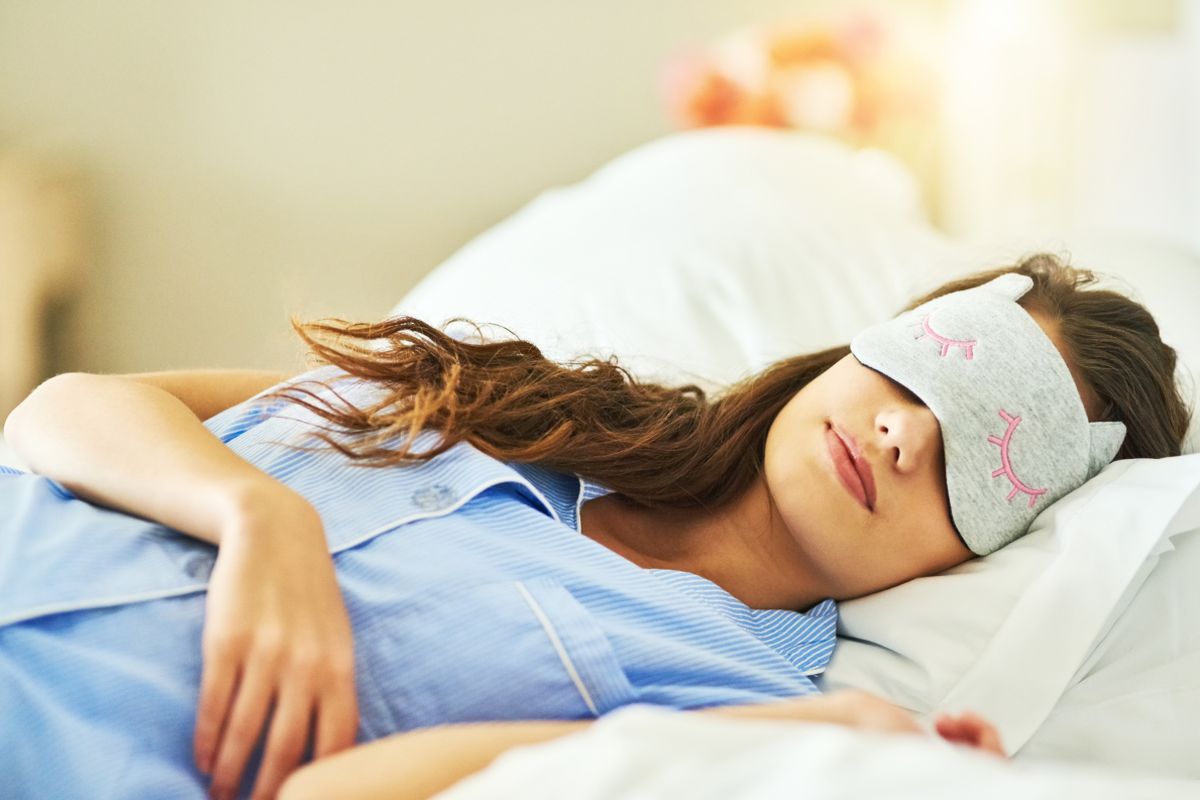
Sleep deprivation, while usual, is never healthy. The quality of a person's sleep affects their productivity. The eight-hour recommended rest is too elusive for many, especially when their personal, family and corporate duties come to play. Dr. Lisa M. Cannon shares on this blog how one can get the most out of their sleep.
Image source: dreams.co.uk

Image source: thestatesman.com

Napping may make or break a person's sleep cycle. It's normal to feel sluggish in the afternoon, particularly after a heavy lunch. One can use an afternoon nap to their advantage. Schedule the nap between 1 PM to 3 PM and lasting for less 30 minutes only. Taking a nap past 4 PM will have one feeling unproductive the whole day as their body is likely to go into a long cycle.

Think of regular exercise as an ally to set up the body for better sleep quality. A few hours before hitting the sack, do some intense workouts. When a person is tired out, their mind goes into deep cycles quickly, which gives enough time for the deep cycle. Longer deep cycle provides better quality of sleep. Around 6 PM is the best time for an intense workout.

Dr. Lisa M. Cannon reckons that waking up at the same time every day is important in getting the most out of one's sleep. The body craves consistency. Even after a late night at work, set the alarm to its usual time to achieve consistency, getting as many undisturbed cycles as achievable, and taking naps in the middle of the day instead.

Dr. Lisa M. Cannon earned her medical degree from New York College of Medicine and her fellowship in pulmonary disease, critical care, and sleep medicine from Mount Sinai Hospital. Learn more from Dr. Cannon by heading over to this page.

Tuesday, April 28, 2020

The dangers of thirdhand smoke

In the past, health authorities have raised awareness regarding secondhand smoke and its effects. However, the effect of a person's smoking habits doesn’t end when others inhale the fumes from a smoker's cigarette. Researchers from Yale University released studies on the so-called "thirdhand smoke.” In this blog, Dr. Lisa M. Cannon explains how it can affect people and the environment.
Image source: Bbc.co.uk

Image source: Medicalnewstoday.com
Thirdhand smoke isn't really smoke. These are tobacco contaminants that may remain in surfaces walls, carpets, beddings, and even in clothing. Places such as bars and movie theatres that can still smell like cigarette smoke even when no one is smoking indoors may most likely have these harmful particles. A home with one smoker can have nicotine and other toxic residues that can expose other residents to potentially dangerous fumes. As this is still a developing study, researchers are still considering whether e-cigarettes have the same effect.

Dr. Lisa M. Cannon shares that, according to the study, non-smokers can be exposed to nicotine and other toxic chemicals from public spaces that they could be sharing with smokers. What these researchers even discovered is that a person could have been exposed to up to 10 cigarettes in less than two hours. Thirdhand smoke can also be transmitted through a person's clothing. These particles can only be eliminated through meticulous and regular cleaning. Children and infants are most prone to the harmful effects. While the study is still developing, scientists are still gathering data on how it can damage a person's health.

Dr. Lisa M. Cannon is a board-certified physician who has been practicing for more than 15 years. She graduated with a degree in medicine from New York Medical College and completed her fellowship in pulmonary, critical care, and sleep medicine at the renowned Mount Sinai Hospital in New York. For more updates, visit Dr. Lisa M. Cannon on Twitter.

Friday, March 27, 2020

Sleeping positions and their effect on your health

Have you ever woken up with a sore neck or back? Or how about waking up with a dry throat? If you have experienced any of these, chances are you didn’t have a good night’s sleep. And if one doesn’t have a good night’s sleep, one could feel tired and even cranky throughout the rest of the day. This is why knowing what sleeping position is right for you matters, says Dr. Lisa M. Cannon.

Image source: medicalnewstoday.com

Image source: onhealth.com
As one grows up, there are massive changes in the body that affects sleep. Weight, for instance, matters a lot when it comes to finding the right sleeping position. Any woman who’s carried a child for nine months can tell you that sleeping on their backs was painful due to the added weight and the pressure it caused their spines.

The body often shifts to a more comfortable position when sleeping. However, some people sleep through the discomfort, which then translates to other problems. Besides stiff body parts, they could easily develop sleep apnea. Sleep apnea is a serious condition that is often associated with other illnesses like stroke or heart failure, diabetes, depression, and severe headaches.

If you feel like no sleeping position works in giving you a good night’s rest, consider changing mattresses. There are a lot of mattresses out there, several of which are made specifically for certain body types. It could be possible that what you need is a mattress that suits you in terms of stiffness or firmness. If all else fails, Dr. Lisa M. Cannon recommends visiting a sleep clinic as no person should suffer sleeping problems for an extended period.

Dr. Lisa M. Cannon is a New Jersey-based physician. She earned her degree in medicine from New York Medical College. She has board certifications in critical care medicine, internal medicine, and pulmonary disease. Her practice focusses on pulmonary and respiratory medicine and sleep medicine. For similar reading materials, visit this blog.

Tuesday, March 3, 2020

Increase lung capacity in five ways

Image source: besthealthmag.ca
Individuals who suffer from chronic obstructive pulmonary disease (COPD), interstitial lung disease, and pulmonary fibrosis often have difficulty in breathing. The fear of experiencing a flare-up may hinder them from living their best lives. In this blog, Dr. Lisa M. Cannon shares a few tips to increase lung capacity.

Proper exercise helps in increasing lung capacity. While it may seem counterintuitive to work out with COPD, getting the muscles in shape can improve breathing. Toned and strong muscles use energy efficiently. Breathing exercises such as pursed-lip breathing and diaphragmatic breathing help improve the use of proper muscles when breathing.

Keep the house clean. The air quality at home must be a priority, as it can be more polluted than the air outside. Houses and offices should be cleaned regularly to reduce allergens inside.

Image source: zyto.com
Eat smaller meals throughout the day. Doing this can lessen the chances of experiencing COPD symptoms, as eating large meals at a time can cause one’s stomach to bloat, thus pressing the lungs, keeping them from expanding to the fullest, and resulting in shortness of breath. When medical professionals say that smoking kills, we better believe it. Also, quit smoking and avoid second-hand smoke. Such environmental irritants make the lungs weak.

Dr. Lisa M. Cannon encourages individuals to get vaccinations for flu and pneumonia to help avoid contracting lung infections. In keeping the lungs healthy, one must be proactive; prevention is always better than cure. Improved breathing can help one experience better overall health.

Dr. Lisa M. Cannon is a board-certified specialist in pulmonary disease, critical care, and internal medicine. To continue giving her patients the best service, she completed her Master’s in Public Health from the NYU Wagner School of Public Service. Subscribe to this blog for similar reads.