Thursday, April 22, 2021

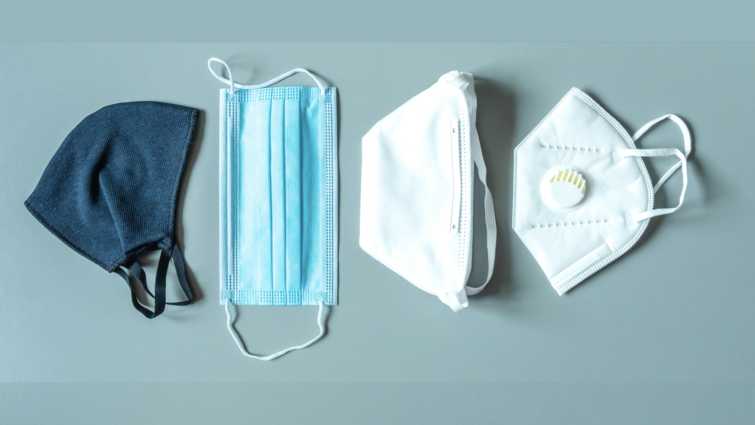
The reason for enduring wearing masks for much longer

Even with news of many people receiving vaccines against COVID-19, the world isn’t out of the woods yet. Sure, the light at the end of the tunnel is now more visible than before. However, vaccinated people still have to wear their masks a little longer.

Image source: news.llu.edu


For starters, most vaccines require individuals to receive two shots before the immunity response to fully work, with about three weeks to a month in between shots, mentions Dr. Lisa M. Cannon. Much like any other vaccine for any other disease, the response is not instant, but results are promising and encouraging. No vaccine provides 100% protection from the dreaded virus but receiving complete doses does offer one protection from severe symptoms.

Image source: healthline.com


In countries where help is not easily obtained, people will have to wear masks for much longer for reasons such as lack of vaccine supply and challenges in the rollout and inoculation logistics. Herd immunity may take more time in these regions. Children below 18, pregnant women, and individuals with severe chronic illnesses cannot be vaccinated. Keeping a mask on would mean protecting these vulnerable individuals from the threat of the virus.

According to Dr. Lisa M. Cannon, vaccines alone cannot end the pandemic. The development and rollout of the vaccines, including inoculation, signify that the world is on the right track. However, diligence in following health and safety protocols set by health authorities remains the best way to protect oneself and their loved ones from the virus.

Dr. Lisa M. Cannon is a pulmonologist with more than 15 years of experience in her field. Her passion for pulmonology and critical care has led to her own medical practice in New Jersey. Subscribe to this blog for more updates from Dr. Lisa M. Cannon.

Monday, March 22, 2021

A review of some habits that help improve sleep quality


According to Lisa M. Cannon, the importance and need for a good night’s sleep in everyone cannot be stressed enough. Sleep habits have direct effects on an individual’s mental and physical health, and even the quality of one’s life in general. Because of this, Lisa M. Cannon has taken it upon herself to come up with a series of blog to educate and inform readers everywhere of the finer points of getting some well-needed shut-eye.

Image source: vox.com

Below is a quick review of habits Lisa M. Cannon shares with patients with the goal of getting a good night’s sleep.

Sleep schedule

Sticking to a sleep schedule, meaning the same time for going to bed and waking up in the morning, is a basic yet essential step. Doing this helps regulate the body’s clock. It also goes a long way in helping the body fall asleep and stay asleep throughout the night. Lisa M. Cannon mentions that it’s better if people stick to the schedule even during weekends.

Image source: ahealthiermichigan.org

Light exposure

The light to which people are exposed to throughout the day affects their circadian rhythm. During the day, Lisa M. Cannon recommends people be exposed to bright light to increase their energy. In the evening however, she tells people to lessen their exposure to blue light, since it stimulates the brain into believing it is still day time.

Dr. Lisa M. Cannon is a New Jersey-based physician. She specializes in pulmonology, internal medicine, sleep medicine, and critical care. For more updates from Dr. Lisa M. Cannon, visit this blog.

Monday, February 22, 2021

Everything you need to know about air purifiers


In the quest to breathe virus-free air, people have been investing in air purifiers that claim to clean the air through an intricate process. These technological wonders have found their way into homes, hospitals, and business establishments. Dr. Lisa M. Cannon shares in this blog post a few facts about air purifiers.

Image source: goodhousekeeping.com


Air purifiers work. Although there is no guarantee that they will kill bacteria or neutralize every single aggravating particle in one's home, air purifiers can sanitize the air that might include allergens, toxins, and pollutants, unlike air filters. The effectiveness of an air purifier depends on its kind. It can be enticing to invest in a quality air purifier for its promise of eliminating particles such as pet dander, smoke, pollen, and dust.

Image source: popularmechanics.com


When choosing an air purifier, some considerations are the flow rate, location, and duration of use in a particular place. Generally, laboratory conditions are more contained; thus, the guarantee of an air purifier being 99% effective may not be true in some cases. Ventilation affects an air purifier's efficacy as different particles could be sitting on surfaces longer when windows are closed, or new particles are let in when windows are opened.

The ideal kind of air purifier would have to be one that has a HEPA or high-efficiency particulate air filter. This type of air purifier can combat environmental air qualities found in homes near smoky or dusty areas, notes Dr. Lisa M. Cannon. However, there is little medical evidence that air purifiers can alleviate allergies or address respiratory issues as a result of the fact that it is a challenge to differentiate the outcomes of genetic and environmental factors from the results of known air quality pollutants.

Dr. Lisa M. Cannon is a board-certified physician who specializes in pulmonary disease, internal medicine, and critical care. She completed her Master’s in Public Health from NYU Wagner School of Public Service. Head over to this page for similar updates.

Monday, January 25, 2021

All you need to know about working out with a mask on


Image source: fox47news.com

Wearing a mask when in public or when with individuals from different households reduces a person’s chances of getting infected with the COVID-19 virus or infecting others when they unknowingly carry it. As gyms and parks reopen, more and more people are exercising outside of their homes. Dr. Lisa M. Cannon walks her readers through on exercising with a mask on. 

In general, exercising with a mask on is safe. Long before the pandemic hit the world, many sports brands have tried to introduce face masks that help improve an athlete’s performance. However, the situation calls for the kind of mask that protects one from respiratory droplets and airborne particles. A person with underlying respiratory health issues must consider working out in the comfort of their own home so they won’t need to wear a mask while exercising. 

Image source: glamour.com


Unlike normal breathing, exercising with a mask or face cover reduces the oxygen flow into the lungs. It makes training difficult as there is less oxygen inhaled. Therefore, less oxygen flowing through the bloodstream and muscles. Athletes with incredible strength and endurance are not exempt from feeling fatigued much faster when wearing a face cover. 

According to Dr. Lisa M. Cannon, one should be mindful about their breathing when working out with a mask on. It is advised to take breathing breaks often, but in safe places. When a person feels dizzy, fatigued, and out-of-balance during a workout, it is advised that they stop immediately. While the body will eventually adapt to the new normal, it’s best to not overdo it.

Dr. Lisa M. Cannon earned her medical degree from New York College of Medicine and her fellowship in pulmonary disease, critical care, and sleep medicine from Mount Sinai Hospital. She is a pulmonologist with more than 15 years of experience in her field. Visit this page to know more about Dr. Lisa M. Cannon.
Friday, December 25, 2020

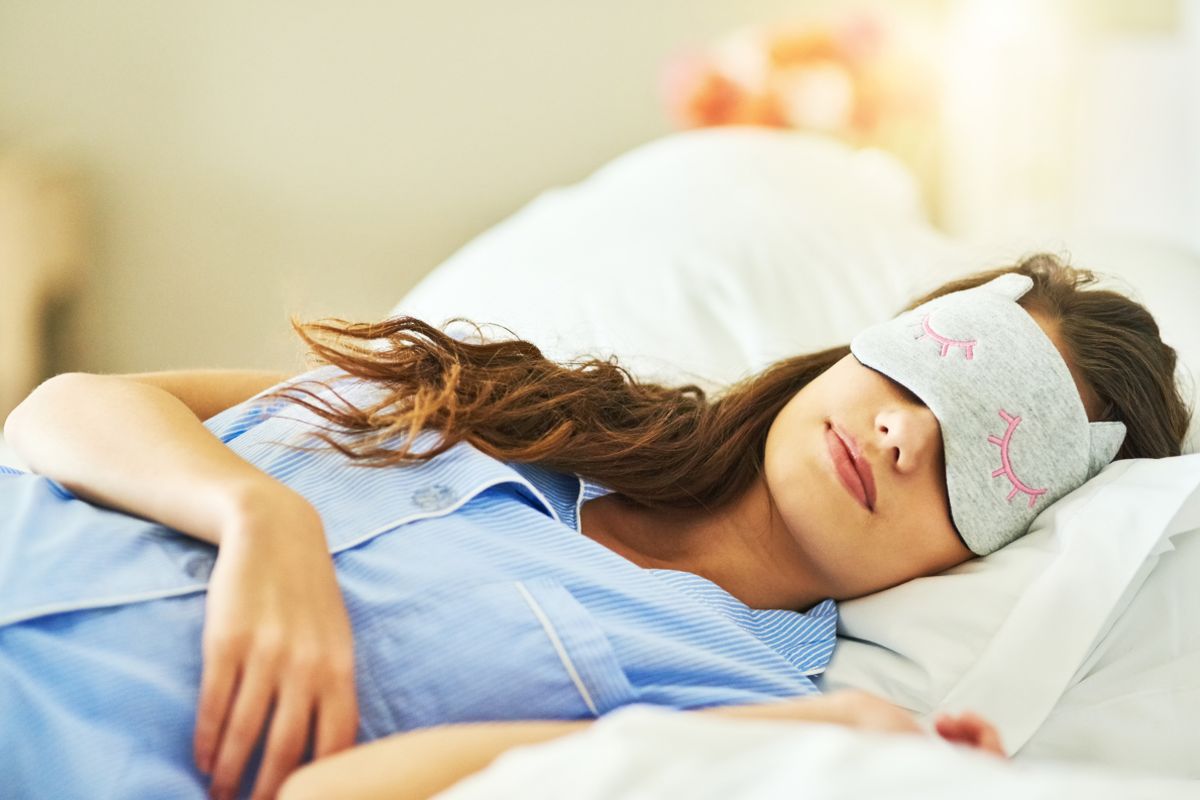
Everything you need to know to restore your sleep clock


Image source: sciencenewsforstudents.org

The circadian rhythm is described as the body’s internal process regulating the sleep-wake cycle, repeating on every rotation of the planet approximately every twenty-four hours. The body may not reach its best shape when the one’s sleep-wake cycle isn’t in its proper order. 

Rest is a weapon. Sleep quality is important in helping the body rest and recover from everything it has done during the day. Not everyone is able to sleep and wake up early for many different reasons. Dr. Lisa M. Cannon recommends banning blue light before bed in order to wind down properly. If possible, dim the lights and place devices far from the bed. Individuals who work at night may want to use blue-light blocking glasses as they head home during daytime so as to delude the mind that it’s nighttime. 

Image source: society6.com

Advanced and delayed sleep timing can ruin one’s sleep-wake cycle. Practice hitting the sack and waking up at the same time each day to improve sleeping habit. It matters to commit to the sleep-wake schedule, which means eliminating stimulants that can hinder sleep such as caffeine, alcohol, and nicotine. Avoid going to bed with a full stomach as this can overwork the digestive system which can lead to interrupted sleep.

Dr. Lisa M. Cannon mentions that skipping naps can help restore a person’s sleep clock. Naps can be tempting at any time of day, but if one makes it a goal to fall asleep fast at night, skipping the midday shuteye is the way to go.

Dr. Lisa M. Cannon is a New Jersey-based physician. Her specializations include critical care, pulmonary medicine, and sleep medicine. For more updates from Dr. Lisa M. Cannon, head over to this page.

Monday, November 16, 2020

What is shift work disorder?


Sleeping for 6-8 hours each night is one of the components of a healthy life. However, some occupations have a non-traditional schedule. Those who work in the early morning, late at night, and rotating shifts can be at risk for shift work disorder. According to physician Dr. Lisa M. Cannon, an irregular sleep schedule may affect the body's circadian rhythm causing a person to have a light sleep during their supposed rest hours and excessively lethargic while at work. 

Image source: Unsplash.com

Getting the right amount of sleep is important for the body's recovery. Not getting quality shuteye can lead to poor memory and lack of focus. It can also affect a person's moods and make them irritable or prone to depression. Dr. Lisa M. Cannon shares that those with shift work disorder are also prone to heart disease, insulin resistance, metabolic syndrome, and ulcers.

If one can't avoid working shifts and odd hours, there are many ways to manage sleep disorders. Improving sleep hygiene, such as having a restful, quiet, and cool bedroom, blackout curtains, and consistent sleep hours, can train the body to fall asleep when it is supposed to be. However, changing the body's sleep habits might take time. This is why, according to Dr. Lisa M. Cannon, doctors don't immediately recommend sleep medication but first recommend a change in habits. People must first continue to train their bodies to have better sleep practices, even with their irregular hours at work. Aside from ensuring that a person gets the right amount of sleep, their routine before bedtime is also important. This is why sleep experts suggest living a healthy lifestyle by staying active, eating nutritious meals, managing stress, and getting the right amount of rest. 

Image source: Unsplash.com

Dr. Lisa M. Cannon is a board-certified physician who has been practicing for more than 15 years. She graduated with a degree in medicine from New York Medical College and completed her pulmonary, critical care, and sleep medicine fellowship at the renowned Mount Sinai Hospital in New York. For more updates, visit this Twitter page.


Wednesday, October 21, 2020

How sleep can be the deciding factor on weight loss success


Individuals who set out on a weight loss journey often assume that a gym membership would do the job. Without a proper diet and enough sleep, gym-goers could be setting themselves up for defeat. Dr. Lisa M. Cannon shares on this blog how sleep can influence one’s weight loss journey. 

Image source: cdc.gov


People on the road to weight loss must acknowledge early in the game that lack of sleep is the main hindrance to their objective. Sleep loss leads to increased appetite. This is due to the body producing more ghrelin, a hormone released in the stomach signaling hunger in the brain, and less leptin, the hormone suppressing hunger and signaling fullness. Sleep deprivation changes the way one’s brain operates. Lack of sleep potentially decreases activity in the frontal lobe, the part of the brain essential for self-control and decision-making. 

Image source: helpguide.org


Individuals who get enough sleep consume fewer calories compared to those who sleep for a short period. People who exercise regularly and include weightlifting in their routine develop their muscles. Lean muscles are known to burn fat, which improves resting metabolism. Lack of sleep decreases muscle mass, which could lower one’s resting metabolic rate.

According to Dr. Lisa M. Cannon, sleep deprivation is to be blamed for daytime fatigue. Individuals who do not prioritize sleep are more likely to want to skip exercise as they could lose motivation to do anything physical. Athletic performance is improved in those who get more sleep. A 10-hour sleep each night for a few weeks can alter an athlete’s performance, improving their reaction time, accuracy, and speed.

Dr. Lisa M. Cannon specializes in critical care, sleep medicine, and pulmonary diseases. A board-certified physician, she received her medical degree from New York College of Medicine and her fellowship in pulmonary disease, critical care, and sleep medicine from Mount Sinai Hospital. Head over to this page for more updates.

Monday, September 28, 2020

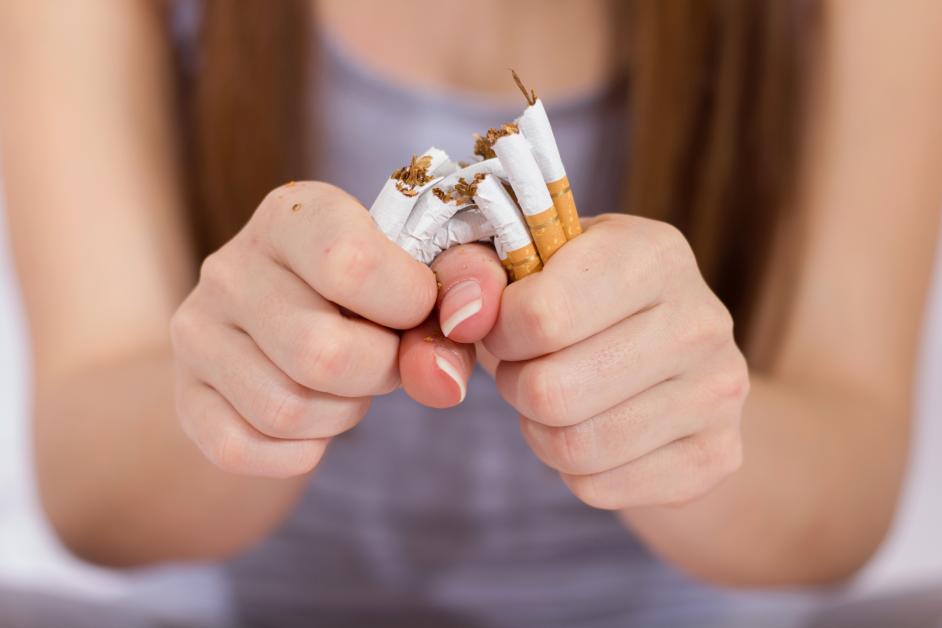
Effects of smoking on exercise and physical fitness


It has long been established that cigarette smoking puts one at risk of many health problems. Practiced by more than one billion people in the world, tobacco smoking is a popular attachment in the society. Some smokers who desire to be fit and healthy incorporate exercise in their daily routine. How can smoking affect physical fitness? 

Image source: tobaccofreelife.org


Nicotine and carbon monoxide are two elements that thicken the blood and cause the arteries to narrow. Blood flow is decreased when arteries become narrow, which then would prevent the blood from flowing to the heart, organs, and muscles. This sensation makes exercising harder than usual, says Dr. Lisa M. Cannon, as blood flow aids in boosting the oxygen supply to the muscles.

A person’s resting heart rate dictates the number of beats per minute their heart generates when they are inactive. A smoker’s heart has to work extra in order to produce beats enough to keep the body going. During exercise, their heart rate could hit dangerous levels as the activity could be too strenuous for the heart. Smokers have less endurance, improper physical performance, and increased risk of complications and injuries. 

Image source: onlinedoctor.lloydspharmacy.com

According to Dr. Lisa M. Cannon, it would be best to quit smoking as early as possible or to not get into the habit at all. An individual’s physical fitness is greatly affected by smoking in many ways including lessened muscular strength and flexibility; reduced benefit from physical training; and increased chances of experiencing shortness of breath. Cigarette smoking also prevents proper healing and recovery of the body which is essential in physical fitness.

Dr. Lisa M. Cannon specializes in critical care, sleep medicine, and pulmonary medicine. She is a board-certified physician with a private practice in New Jersey. To read more from Dr. Lisa M. Cannon, head over to this page.

Friday, August 28, 2020

Six ways to stay safe from airborne diseases


After more than 200 doctors wrote to the World Health Organization to reconsider the manner COVID-19 is transmitted and spread, the global health agency is firm in keeping its initial claim that the higher risk of spreading the virus is still through droplets or larger particles that settle faster and are less likely to gather in the air. 

Image source: indiatvnews.com


However, as safety and health precaution, it is in the best interest of people to treat the virus as if it is airborne. One of the best ways to stay safe from airborne diseases is to avoid large gatherings. Airborne diseases spread quickly in crowds. Wear a face mask properly to reduce the risk of encountering airborne microbes that may be present in the atmosphere, reminds Dr. Lisa M. 
Cannon. 

Image source: medicalnewstoday.com


It is imperative to unlearn the habit of touching the nose, eyes, mouth, and face during these times. If a person is to touch their face, they must make sure that they have clean hands. Regular handwashing or disinfecting reduces a person’s risk of catching the virus.

According to Dr. Lisa M. Cannon, it is crucial to practice healthy habits, such as getting quality sleep, keeping a well-balanced diet, working out regularly, managing stress, and drinking lots of fluids, and taking multivitamins to boost the immune system. A strong immune system can help fight off airborne diseases. Lastly, practice social distancing. Keeping a safe distance of 2 meters while wearing a mask when in public, reduces the risk of people spreading and catching COVID-19 and airborne diseases.

Dr. Lisa M. Cannon is a board-certified specialist in pulmonary disease, critical care, and internal medicine. She completed her Master’s in Public Health from the NYU Wagner School of Public Service to continue giving her patients the best service. Visit this page for more updates from Dr. Lisa M. Cannon.
Wednesday, July 29, 2020

Strengthen lungs at home with these tips

People often overlook keeping their lungs whole and well. Since the start of the pandemic, more individuals have been trying to take better care of themselves. Boosting the immune system and improving lung capacity have become a priority. Dr. Lisa M. Cannon shares on this post the best ways to keep lungs strong and healthy.
Image source: dtnext.in

Image source: nearsay.com


Avoid smoking. It has long been established that smoking increases a person’s risk of having respiratory problems such as asthma, idiopathic pulmonary fibrosis, COPD, and lung cancer. Exercise is integral in keeping the lungs in tip-top shape. Regular workout ensures that the heart is strong and the lungs are healthy. Having strong lungs helps a person’s body hold out against aging and sickness.

Check your posture in order to give the lungs enough space. Sitting tall and trying to reach above the head ensure the lungs are given room. The lungs have a mucosal lining that should be kept thin for the lungs to perform effectively. Stay hydrated by drinking enough water throughout the day. Laugh more to engage the abdominal muscles and improve lung capacity. According to pulmonologist Dr. Lisa M. Cannon, laughing removes stale air from the body, which permits fresh air to fill the parts of the lungs.

During these times, it is best to stay home to avoid air pollutants and viruses. With more industries reopening, it can be tempting to go out and enjoy a little bit of freedom. However, only go to public areas when it is necessary, and avoid staying out of the house too long to reduce the risk of catching the virus.

Dr. Lisa M. Cannon earned her medical degree from New York College of Medicine and her fellowship in pulmonary disease, critical care, and sleep medicine from Mount Sinai Hospital. Get quick updates from Dr. Lisa M. Cannon by following her on Twitter.

Saturday, June 27, 2020

Is there a way to get the most out of your sleep?

Sleep deprivation, while usual, is never healthy. The quality of a person's sleep affects their productivity. The eight-hour recommended rest is too elusive for many, especially when their personal, family and corporate duties come to play. Dr. Lisa M. Cannon shares on this blog how one can get the most out of their sleep.
Image source: dreams.co.uk

Image source: thestatesman.com

Napping may make or break a person's sleep cycle. It's normal to feel sluggish in the afternoon, particularly after a heavy lunch. One can use an afternoon nap to their advantage. Schedule the nap between 1 PM to 3 PM and lasting for less 30 minutes only. Taking a nap past 4 PM will have one feeling unproductive the whole day as their body is likely to go into a long cycle.

Think of regular exercise as an ally to set up the body for better sleep quality. A few hours before hitting the sack, do some intense workouts. When a person is tired out, their mind goes into deep cycles quickly, which gives enough time for the deep cycle. Longer deep cycle provides better quality of sleep. Around 6 PM is the best time for an intense workout.

Dr. Lisa M. Cannon reckons that waking up at the same time every day is important in getting the most out of one's sleep. The body craves consistency. Even after a late night at work, set the alarm to its usual time to achieve consistency, getting as many undisturbed cycles as achievable, and taking naps in the middle of the day instead.

Dr. Lisa M. Cannon earned her medical degree from New York College of Medicine and her fellowship in pulmonary disease, critical care, and sleep medicine from Mount Sinai Hospital. Learn more from Dr. Cannon by heading over to this page.

Tuesday, April 28, 2020

The dangers of thirdhand smoke

In the past, health authorities have raised awareness regarding secondhand smoke and its effects. However, the effect of a person's smoking habits doesn’t end when others inhale the fumes from a smoker's cigarette. Researchers from Yale University released studies on the so-called "thirdhand smoke.” In this blog, Dr. Lisa M. Cannon explains how it can affect people and the environment.
Image source: Bbc.co.uk

Image source: Medicalnewstoday.com
Thirdhand smoke isn't really smoke. These are tobacco contaminants that may remain in surfaces walls, carpets, beddings, and even in clothing. Places such as bars and movie theatres that can still smell like cigarette smoke even when no one is smoking indoors may most likely have these harmful particles. A home with one smoker can have nicotine and other toxic residues that can expose other residents to potentially dangerous fumes. As this is still a developing study, researchers are still considering whether e-cigarettes have the same effect.

Dr. Lisa M. Cannon shares that, according to the study, non-smokers can be exposed to nicotine and other toxic chemicals from public spaces that they could be sharing with smokers. What these researchers even discovered is that a person could have been exposed to up to 10 cigarettes in less than two hours. Thirdhand smoke can also be transmitted through a person's clothing. These particles can only be eliminated through meticulous and regular cleaning. Children and infants are most prone to the harmful effects. While the study is still developing, scientists are still gathering data on how it can damage a person's health.

Dr. Lisa M. Cannon is a board-certified physician who has been practicing for more than 15 years. She graduated with a degree in medicine from New York Medical College and completed her fellowship in pulmonary, critical care, and sleep medicine at the renowned Mount Sinai Hospital in New York. For more updates, visit Dr. Lisa M. Cannon on Twitter.

Friday, March 27, 2020

Sleeping positions and their effect on your health

Have you ever woken up with a sore neck or back? Or how about waking up with a dry throat? If you have experienced any of these, chances are you didn’t have a good night’s sleep. And if one doesn’t have a good night’s sleep, one could feel tired and even cranky throughout the rest of the day. This is why knowing what sleeping position is right for you matters, says Dr. Lisa M. Cannon.

Image source: medicalnewstoday.com

Image source: onhealth.com
As one grows up, there are massive changes in the body that affects sleep. Weight, for instance, matters a lot when it comes to finding the right sleeping position. Any woman who’s carried a child for nine months can tell you that sleeping on their backs was painful due to the added weight and the pressure it caused their spines.

The body often shifts to a more comfortable position when sleeping. However, some people sleep through the discomfort, which then translates to other problems. Besides stiff body parts, they could easily develop sleep apnea. Sleep apnea is a serious condition that is often associated with other illnesses like stroke or heart failure, diabetes, depression, and severe headaches.

If you feel like no sleeping position works in giving you a good night’s rest, consider changing mattresses. There are a lot of mattresses out there, several of which are made specifically for certain body types. It could be possible that what you need is a mattress that suits you in terms of stiffness or firmness. If all else fails, Dr. Lisa M. Cannon recommends visiting a sleep clinic as no person should suffer sleeping problems for an extended period.

Dr. Lisa M. Cannon is a New Jersey-based physician. She earned her degree in medicine from New York Medical College. She has board certifications in critical care medicine, internal medicine, and pulmonary disease. Her practice focusses on pulmonary and respiratory medicine and sleep medicine. For similar reading materials, visit this blog.

Tuesday, March 3, 2020

Increase lung capacity in five ways

Image source: besthealthmag.ca
Individuals who suffer from chronic obstructive pulmonary disease (COPD), interstitial lung disease, and pulmonary fibrosis often have difficulty in breathing. The fear of experiencing a flare-up may hinder them from living their best lives. In this blog, Dr. Lisa M. Cannon shares a few tips to increase lung capacity.

Proper exercise helps in increasing lung capacity. While it may seem counterintuitive to work out with COPD, getting the muscles in shape can improve breathing. Toned and strong muscles use energy efficiently. Breathing exercises such as pursed-lip breathing and diaphragmatic breathing help improve the use of proper muscles when breathing.

Keep the house clean. The air quality at home must be a priority, as it can be more polluted than the air outside. Houses and offices should be cleaned regularly to reduce allergens inside.

Image source: zyto.com
Eat smaller meals throughout the day. Doing this can lessen the chances of experiencing COPD symptoms, as eating large meals at a time can cause one’s stomach to bloat, thus pressing the lungs, keeping them from expanding to the fullest, and resulting in shortness of breath. When medical professionals say that smoking kills, we better believe it. Also, quit smoking and avoid second-hand smoke. Such environmental irritants make the lungs weak.

Dr. Lisa M. Cannon encourages individuals to get vaccinations for flu and pneumonia to help avoid contracting lung infections. In keeping the lungs healthy, one must be proactive; prevention is always better than cure. Improved breathing can help one experience better overall health.

Dr. Lisa M. Cannon is a board-certified specialist in pulmonary disease, critical care, and internal medicine. To continue giving her patients the best service, she completed her Master’s in Public Health from the NYU Wagner School of Public Service. Subscribe to this blog for similar reads.

Friday, December 20, 2019

How choosing the time to exercise affects overall wellness and sleep

Image source: blueprintfitnessatlanta.com
Looking at health and wellness from all angles, doctor and sleep expert Dr. Lisa M. Cannon has researched the various factors affecting a person’s sleep. To say that many things are affecting the quality and duration of sleep is an understatement.

For this blog, Dr. Lisa M. Cannon wishes to address exercise, specifically the time of day people work out, in relation to its effect on a person’s overall wellness and sleep.

A rather hot topic in fitness circles, the time a person works out has been studied as much as anything else in the universe of exercise. With factors such as personal goals and daily schedules, individuals have had their own say at which time is best.

Typically, people who live extremely active lifestyles with day jobs love working out in the morning, explaining that doing so gives them the energy to tide them over the day. A plus is that working out in the mornings helps people avoid huge crowds. On the other hand, people who don’t exactly love mornings work out at the end of their workday (late afternoon or evening), saying that it’s a great way to relieve themselves of the stresses of the day.

Image source: greatist.com 
In the context of sleep, there are two beliefs. Morning workouts use up a person’s energy enough to tire them by the end of the day, creating a feeling for a good night’s rest. Exercising at the end of the day, however, may help a person burn more fat and sleep better.

Dr. Lisa M. Cannon believes that while both times are good for one’s overall health, some people who work out at night find it harder to sleep due to the adrenalin spike, she adds.

Dr. Lisa M. Cannon graduated from New York Medical College in 1991 and completed her pulmonary fellowship at Mount Sinai Hospital. She was affiliated with Pascack Valley Hospital and the Valley Hospital in Ridgewood. Dr. Cannon has since focused on her own private practice in New Jersey. For more articles like this, visit this blog.

Tuesday, November 26, 2019

Causes of acute and chronic bronchitis: An overview

Image source: cdc.gov
Lisa M. Cannon is a doctor who has, for decades, helped clients with respiratory and sleep problems. Through her series of blogs, she has imparted parts of her vast knowledge of health and wellness. While Dr. Lisa M. Cannon’s blogs are highly informative, she still recommends a doctor’s visit as the first course of action.

For this, Dr. Lisa M. Cannon sheds light on acute and chronic bronchitis, specifically on their causes.

Bronchitis is one of the more common lung conditions that patients have diagnosed and treated. It happens when the lining of the bronchial tubes experience inflammation and swelling, making it difficult for people to breathe in oxygen and clear out the phlegm from the airways.

Acute bronchitis lasts for a few days. Causes of acute bronchitis are viruses and bacteria. Sometimes, acute bronchitis leads to colds and maybe even a fever. Influenza (the flu), rhinovirus, and other viral infections may also lead to acute bronchitis and vice versa. Viral infections account for 9 out of every 10 cases. The remaining 10% of acute bronchitis patients suffer from bacterial infection.

Image source: medicalnewstoday.com
Chronic bronchitis, on the other hand, can last for as short as three months to as long as two or more years, Dr. Lisa M. Cannon notes. For patients with this condition, medical intervention is important. Causes of chronic bronchitis include prolonged and heavy exposure to chemicals, pollutants, or even dust. However, heavy use of cigarettes and tobacco is the most common trigger, Dr. Lisa M. Cannon adds.

Dr. Lisa M. Cannon graduated from New York Medical College in 1991 and obtained her pulmonary fellowship at Mount Sinai Hospital. Before starting her own private practice in New Jersey, she was affiliated with Pascack Valley Hospital and the Valley Hospital in Ridgewood. For more articles like this, visit this blog.

Tuesday, October 22, 2019

A sleep expert’s guide for mothers everywhere

One of the biggest challenges young mothers face is getting enough sleep. Dr. Lisa M. Cannon explains that since physical and mental health greatly depends on the amount and quality of sleep a person gets, young mothers often experience physical and mental health issues.
On that note, Dr. Lisa M. Cannon suggests a few strategies that could help both mothers and toddlers get the sleep they need.

Keep busy during the day.

By doing this, mothers can make sure that their toddlers expend enough energy during the day to seek rest and relaxation for the night. This strategy ensures that the little ones are no longer as active when bedtime arrives. By busy, Lisa M. Cannon doesn’t just mean physical play. Mothers can also introduce books and other educational tools, so a toddler remains active. At the end of the day, odds are both mothers and toddlers will get a good night’s sleep

Avoid sweets.


Aside from being unhealthy, sugar in one’s body demands to be used. And when consumed at night, it causes a person to be more active rather than relaxed. This goes double for children, who when experiencing a second wind, maybe next to impossible to lead to sleep.

Make sleeping quarters as comfortable as can be.

Dr. Lisa M. Cannon explains that many mothers sleep with their toddlers by their side. Because of this, it’s important that everything in the room, from the bed to the smell to the temperature, is all conducive for sleeping.

Dr. Lisa M. Cannon graduated from New York Medical College in 1991 and obtained her pulmonary fellowship at Mount Sinai Hospital. She was affiliated with Pascack Valley Hospital and the Valley Hospital in Ridgewood. Dr. Cannon has since focused on her own private practice in New Jersey. For more articles like this, visit this blog.

Friday, January 11, 2019

How light affects the quality and length of your sleep


Light can profoundly affect sleep and wakefulness. In fact, since indoor and artificial lights became more prevalent, people have moved farther and farther away from their natural sleep patterns as they remain awake long past sunset. Here’s a quick look at the significant effects of light in getting restful sleep.
Image source: Pixabay.com       
 Light is very important in establishing circadian time. External environmental, as well as social cues, set the phase for the circadian cycle, with daylight as the most powerful factor. This makes it harder to sleep in bright light than in dim light, and better for people to perform cognitive and physical tasks when there’s light than when it’s dark, independent of whether they feel sleepy.


Darkness or the absent of light sends a critical signal to the body that’s time to rest. Light exposure at the wrong times changes the body’s internal sleep clock, interfering with both length and quality of sleep. Melatonin, a hormone that influences sleep, naturally increases in levels during the early evening as darkness falls and continues to rise throughout most of the night.

Image source: Pixabay.com       
Artificial light wreaks havoc on sleep in today’s modern world. It disrupts circadian rhythm that governs not just sleep patterns but also the possibility of having sleep disorders, depression, and cardiovascular disease, to name a few. This sleep-disrupting light is mostly obtained from artificially lit screens such as television and iPhones.

Perhaps the most basic advice regarding artificial light is to shield it properly in the bedroom and use light at night only when it’s absolutely needed. There’s absolute merit to staying away from one’s gadgets at least an hour before hitting the sheets, especially if one’s after good, uninterrupted shuteye.

Dr. Lisa M. Cannon graduated from New York Medical College in 1991. She received her pulmonary fellowship at Mount Sinai Hospital and was affiliated with Pascack Valley Hospital in Westwood and the Valley Hospital in Ridgewood. She has since focused on developing her own private medical in New Jersey. More posts like this on this page.

Tuesday, December 4, 2018

Sleep isn’t for the weak: Here’s why you shouldn’t miss a shut eye

For workaholics and hardcore students, the saying, “Sleep is for the weak,” helps in keeping them from falling asleep at night. In a culture wherein working while running on little sleep is praised, promoting healthier sleeping habits can be difficult. Here are a few reasons for one to prioritize sleep.

Image source: express.co.uk
Losing sleep increases stress, disturbs mood, and impairs one’s ability to concentrate. All of these short-term effects can impact one’s work productivity and overall performance. In the long run, forsaking proper sleep can cause heightened risk fact for diabetes, increased risk for breast cancer, high blood pressure, decreased immune function, major depression, and obesity.

Image source: frackfreedenton.com
Major depression is a serious threat for insomniacs and other individuals who don’t get enough sleep at night. As depression carries a negative effect on sleep patterns, it may develop a cycle that can be hard to break. Lack of sleep can also affect one’s relationship with their partner and loved ones. Inadequate sleep can impair an individual’s ability to appreciate their partners and friends, which can then lead to stress and place tension on relationships.

Sleep is an integral function for a number of reasons. When one sleeps, the brain signals the body to release hormones and compounds helping in decreasing risk for health conditions, managing hunger levels, maintaining one’s immune system, and retaining memory. Having seven to eight hours of sleep a night can help improve one’s overall health.

Dr. Lisa M. Cannon graduated from New York Medical College in 1991. She received her pulmonary fellowship at Mount Sinai Hospital and was affiliated with Pascack Valley Hospital in Westwood and the Valley Hospital in Ridgewood. Dr. Cannon specializes in pulmonary disease, critical care, and sleep medicine. Visit this blog for more updates.

Thursday, November 1, 2018

The foundations of good sleep during pregnancy

Pregnancy is a time of drastic bodily changes, including leg cramps, nausea, heartburn, and a greater likelihood of having sleep disturbances.  Changes in sleep patterns can be caused by stress and anxiety, hormonal fluctuations, as well as the physical discomfort of childbearing.  But it’s not entirely impossible to enjoy a good night’s sleep while pregnant – here are tips to follow.

Image source: Pixabay.com       
Watch what you eat and drink
Cut down on caffeine-containing food and drinks.  Try to avoid heavy meals and spicy food before bedtime, as chili and acidic foods can cause indigestion and heartburn.  If you have heartburn, eat lighter meals and consume your last meal for the day two to three hours before heading to bed.  Drink plenty of fluids during the day, but cut down on it before bedtime to reduce nighttime urination.
Image source: Pixabay.com     

Keep moving
Improve circulation and overall health by exercising regularly.  But don’t do it late in the day, as exercise releases adrenaline, which can keep you awake throughout the night.

Use extra pillow
Pillows can be useful for supporting the tummy and back.  Place a pillow between the legs, too, to help support the lower back and make sleeping on your side easier.  Some ideal types are the wedge-shaped pillow and the full-length body pillow.

Manage stress
While worrying certainly won’t help, talking about your issues will.  Find a friend, family member, or professional who can listen and help if there are recurring sources of worry or feeling upset in your life, especially during pregnancy.

Get medical help
Your ob-gyne or a sleep specialist can outline the best steps to take if insomnia persists and even worsens during pregnancy.


 Dr. Lisa M. Cannon is a New Jersey-based physician.  She earned her degree in medicine from New York City College and her fellowship in pulmonary, critical care, and sleep medicine from the renowned Mount Sinai Hospital in New York.  Learn more about her practice on this website.